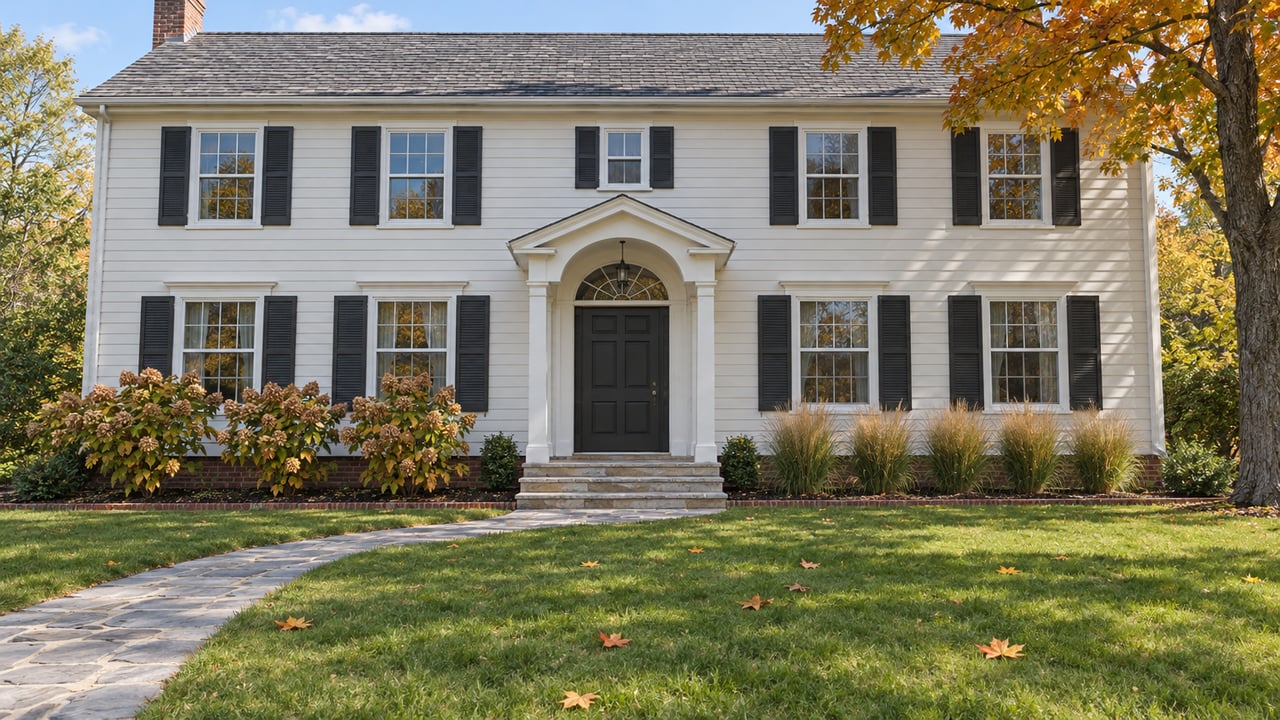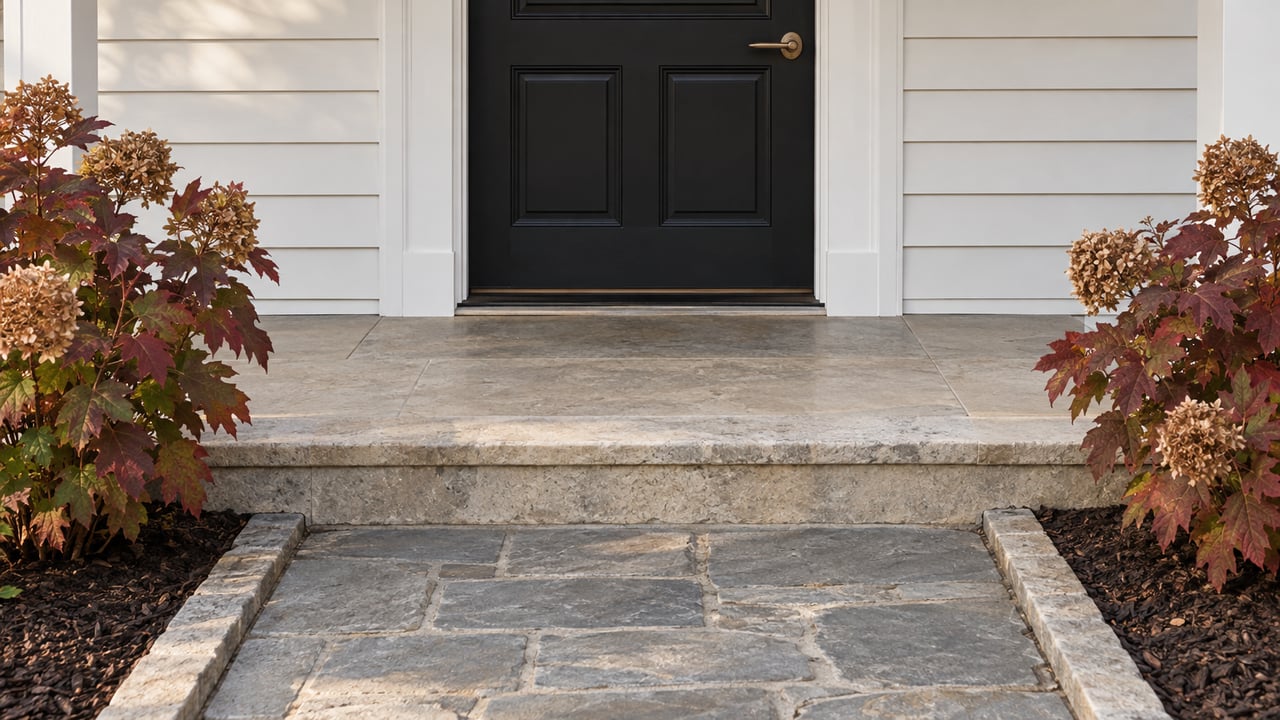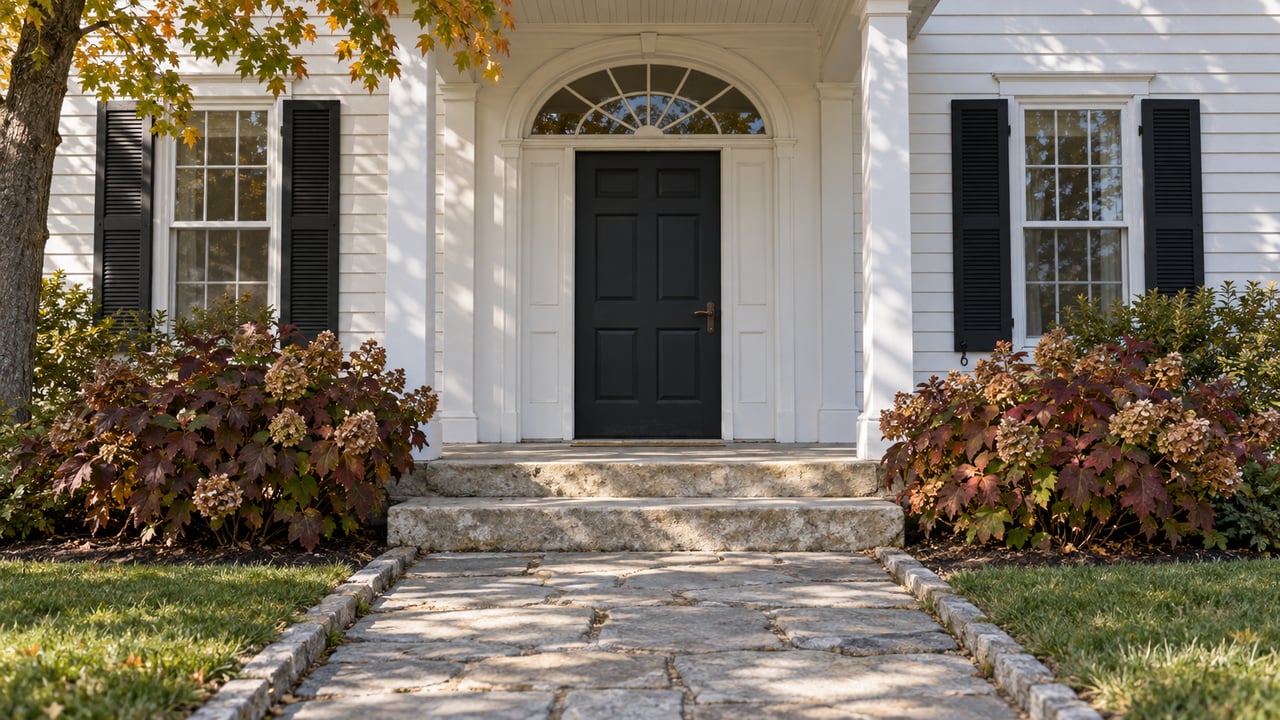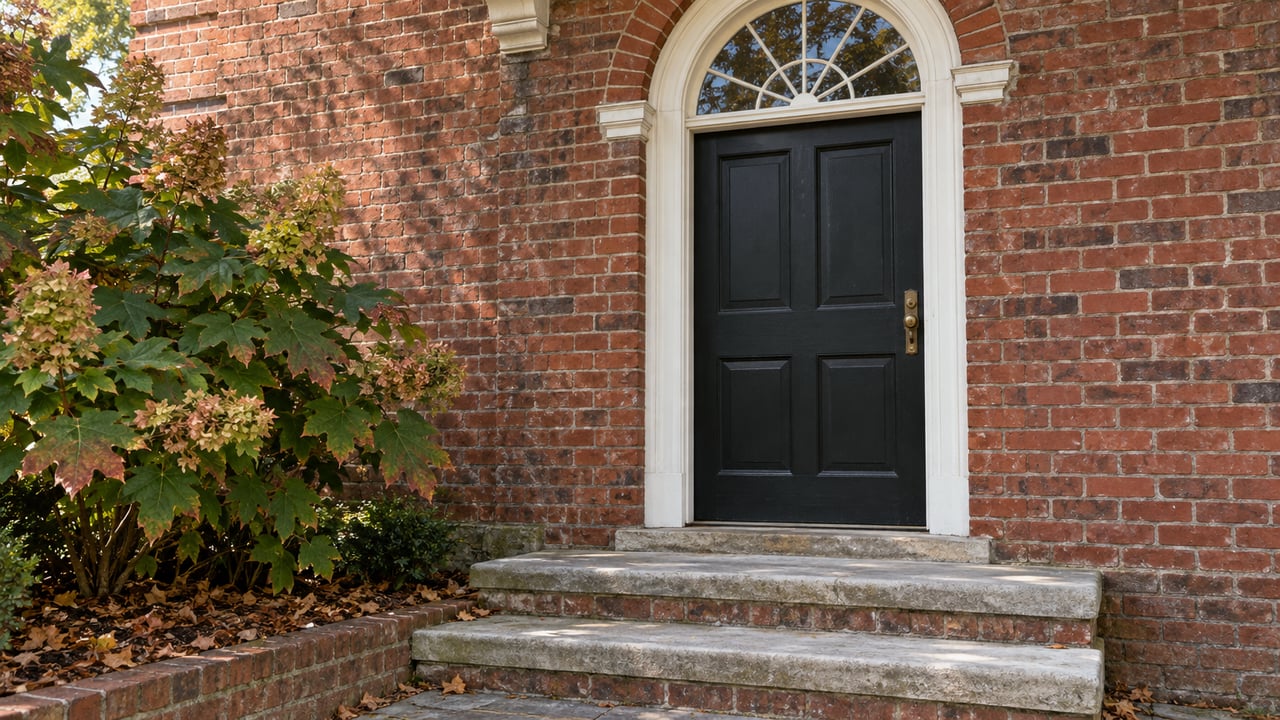
If you are selling a historic home in Lebanon, a standard pre-list checklist usually is not enough. Older homes often come with more questions, more visible character, and more decisions about what to repair, refresh, or leave alone. The good news is that with the right concierge prep plan, you can protect the home’s story, reduce buyer uncertainty, and bring it to market with confidence. Let’s dive in.
Why Lebanon historic homes need a different plan
Lebanon’s historic core includes four historic districts identified in the city’s multiple-resource National Register nomination: Floraville, East End, North Broadway, and the Lebanon Commercial District. That historic status matters for how a home is understood and marketed, but it does not automatically create federal restrictions on a private owner’s use of the property. In practice, local ordinances are what control what can be changed.
That is especially important before you make exterior updates. A 2015 Ohio appellate case involving Lebanon confirmed that a property in the city’s Architectural Review Overlay District was subject to the city’s Historic Preservation Standards and required a Certificate of Appropriateness for an exterior change. Lebanon’s current code also includes a Certificate of Appropriateness application category for residential projects, so visible exterior work should be checked before it begins.
For you as a seller, this means prep should be thoughtful, not rushed. If you are considering changes to porches, railings, fencing, siding, rooflines, or other visible exterior details, it is smart to confirm whether local review applies first. That one step can help you avoid delays and keep your listing timeline on track.
Start with pre-list due diligence
Historic-home sales usually go more smoothly when you gather information early. Ohio requires sellers of most residential real estate to complete and deliver the state property disclosure form, which covers material facts about the roof, foundation, walls, floors, water and sewer systems, and certain hazardous materials, along with material defects within the seller’s actual knowledge.
If your home was built before 1978, lead-based paint disclosure rules also apply in most cases. Sellers must provide lead disclosure information and the required pamphlet before the buyer becomes obligated under the contract. Ohio’s state lead-disclosure form also asks sellers to note known lead information and acknowledge delivery of the pamphlet.
In older homes, a pre-list inspection can be especially useful. It can help surface the same issues buyers and inspectors often notice anyway, such as moisture intrusion, roof wear, masonry or trim deterioration, and aging electrical, plumbing, or HVAC systems. When you know what needs attention early, you can prioritize repairs before photography and showings.
Why paperwork matters in older homes
The paper trail can be just as important as the paint color. Executors, out-of-town owners, and families handling inherited property often benefit from pulling together records before the home goes live. That might include prior repair invoices, permit records, renovation notes, or historical background that helps explain the home’s evolution.
Warren County’s Archives Division preserves historical records, maps, tax duplicates, photographs, and oral histories and offers historic research assistance. For some sellers, that can be a helpful way to document provenance, prior work, or neighborhood context. It does not replace disclosure obligations, but it can add clarity and confidence to the listing story.
Use updates that respect period details
When you prep a historic home, the goal is not to erase its age. The better strategy is to present it as cared for, functional, and visually cohesive while respecting the details that give it character. National Park Service guidance for historic rehabilitation favors preserving character-defining materials and features, making minimal changes, and repairing deteriorated elements rather than replacing them when possible.
When replacement cannot be avoided, the guidance recommends matching the old in composition, design, color, texture, and other visual properties as closely as practical. For sellers in Lebanon, that often points to lower-disruption improvements instead of broad cosmetic overhauls. In many cases, careful repair does more for value and presentation than over-modernizing original features.
Smart prep choices before listing
A concierge prep plan for a historic home often focuses on practical, visible improvements like these:
- Careful deep cleaning
- Touch-up painting
- Repairing trim or plaster
- Stabilizing masonry
- Servicing major systems
- Replacing fixtures or components that are visibly worn and clearly not original
These updates can help the home feel well-maintained without stripping away the details buyers expect to see in an older Lebanon property. They also tend to photograph well, which matters once your listing hits the market.
Check exterior work before you start
Exterior changes deserve extra caution. Lebanon’s code includes Certificate of Appropriateness applications, and the city’s guidance says a deck or porch requires a zoning permit. Warren County also says a building permit is required for those projects.
If a prep plan includes porch repair, railing work, or other exterior improvements, permit and review checks should happen before scheduling contractors. This is one reason a managed concierge process can be valuable. It helps keep improvements aligned with local requirements instead of creating last-minute surprises.
How concierge prep helps sellers
For many sellers, the challenge is not knowing what to do. It is having the time, local contacts, and project oversight to actually do it well. That is where concierge prep can make a real difference.
For an executor, downsizer, or out-of-town owner, the process often includes decluttering, cleanout coordination, vendor scheduling, pre-list repairs, permit checks, staging, and photography. Instead of managing a long list of moving parts on your own, you have a structured sequence that moves the home from “not yet ready” to “market ready.”
That kind of support fits especially well with historic homes because prep decisions are rarely one-size-fits-all. You want someone who can balance presentation, practicality, and respect for the home’s existing character. In my approach, that means looking closely at what should be preserved, what should be repaired, and what will make the strongest first impression without creating unnecessary disruption.
Stage the home to show possibility
Staging is not about making a historic home feel generic. It is about helping buyers understand room function, scale, and how they could live in the space today. According to 2023 NAR research, 81% of buyers’ agents said staging made it easier for buyers to visualize a future home, 48% said it reduced time on market, and 20% said it increased the dollar value offered by 1% to 5% compared with similar unstaged homes.
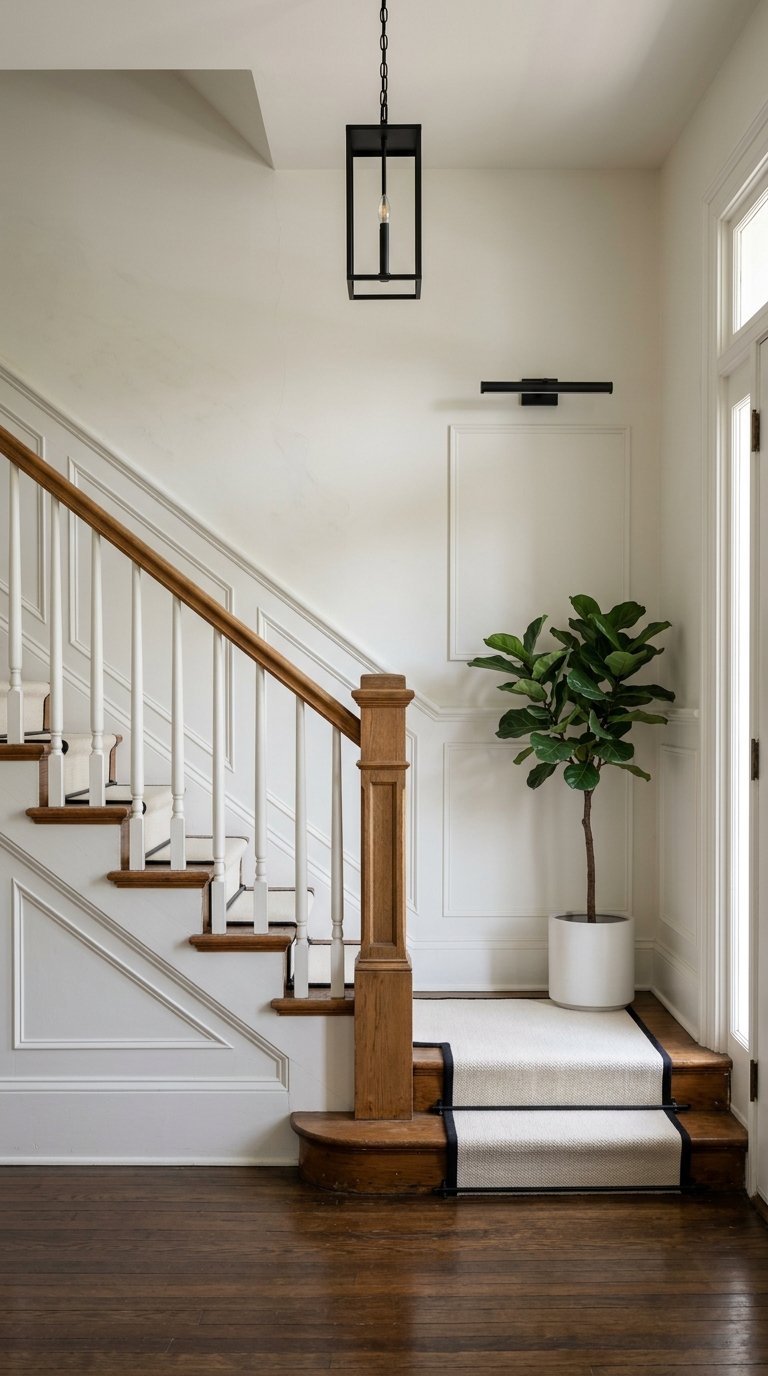
For a Lebanon historic home, staging should support the architecture rather than compete with it. Clean lines, appropriate scale, and uncluttered surfaces can help original millwork, fireplaces, trim, or ceiling height stand out. The result is a home that feels inviting and intentional, not overly decorated.
Tell the story with photography
Once the home is ready, marketing has to do more than document rooms. It should tell a clear story about the property’s character, condition, and livability. NAR reports that 81% of buyers rate listing photos as the most useful feature in an online home search, and it recommends high-resolution photos and video tours.
For a historic property, the photo plan should deliberately show original details, room scale, and restored features that help buyers understand what is original and what has been updated. That is where premium listing production can matter. Professional photography, drone imagery, and Matterport 3D tours can create a fuller picture of the home while helping serious buyers engage before they ever step inside.
If virtual staging is used, it should be clearly disclosed. Edited photos that disguise condition, scale, or likely cost can mislead buyers, and that is not the goal. Strong historic-home marketing should build trust, not confusion.
Reduce buyer uncertainty before showings
Older homes do not need to feel risky. They need to feel well-documented and thoughtfully presented. When you combine due diligence, selective repairs, permit awareness, staging, and strong photography, you remove many of the unknowns that can make buyers hesitate.
That is often the real value of concierge prep. It is not just about aesthetics. It is about preserving what makes the home special while giving buyers a clearer, calmer path to saying yes.
If you are preparing to sell a historic home in Lebanon, I believe the best results come from a plan that respects the house and simplifies the process for you. From cleanouts and contractor coordination to staging and polished marketing, Juliet Wenzler Real Estate & Design Group can help you bring your home to market with care, clarity, and concierge-level support.
FAQs
What makes selling a historic home in Lebanon different?
- Lebanon has locally significant historic areas, and visible exterior changes may require local review or permits depending on the property and project. Historic homes also benefit from more careful prep, documentation, and marketing.
Do Lebanon sellers need approval for exterior changes to a historic home?
- In some cases, yes. Lebanon’s code includes Certificate of Appropriateness applications for residential projects, and visible exterior work should be checked against local rules before any changes begin.
What disclosures matter when selling an older home in Ohio?
- Ohio sellers generally must complete the state residential property disclosure form, and homes built before 1978 usually also require lead-based paint disclosures before the buyer is obligated under the contract.
Should you get a pre-list inspection for a historic home in Lebanon?
- A pre-list inspection can be very helpful because it may identify issues common in older homes, such as moisture intrusion, roof wear, masonry deterioration, or aging mechanical systems before buyers raise concerns.
What does concierge prep include for a Lebanon historic home sale?
- Concierge prep can include decluttering, cleanout coordination, vendor scheduling, repair planning, permit checks, staging, and photography to help make the home market ready with less stress for you.
How should a historic home in Lebanon be staged and photographed?
- The goal is to highlight original details, room scale, and restored features while helping buyers visualize daily living. High-resolution photography and accurate, clearly presented visuals are especially important online.