Are you dreaming about a historic home in Lebanon but wondering what happens after the charm wears off and the renovation questions begin? You are not alone. Buying an older property can be exciting, but it also comes with real decisions about condition, approvals, budget, and timing. If you are considering a historic Lebanon home with updates in mind, this guide will help you understand what to look for and how to plan wisely. Let’s dive in.
Why Lebanon Appeals to Historic-Home Buyers
Lebanon has deep roots that show up in its housing stock. Warren County history ties the city to the early years of Ohio statehood, and local landmarks reflect a wide range of building eras, from the 1795 Beedle Log Cabin to the Greek Revival Glendower built between 1835 and 1840, along with early 20th-century structures like Harmon Hall from 1913.
That matters because a “historic home” in Lebanon is not one single type of house. You may be looking at a frontier-era property, a pre-Civil War home, or an early-1900s residence, and each one can come with very different materials, construction methods, and renovation needs.
Lebanon also tends to support long-term ownership. The city has an owner-occupied housing rate of 61.1%, a median owner-occupied home value of $290,200, and an estimated 2025 population of 22,110. For many buyers, that points to a market where upkeep, livability, and resale value matter just as much as charm.
Start With the House’s Era
Before you plan finishes or layout changes, get clear on when the home was built and how that age affects the work ahead. Older homes in Lebanon can include original plaster walls, masonry details, aging porches, wood windows, and additions from later decades that may or may not fit the original structure well.
I always recommend thinking of the home in layers. The first layer is the original house. The second is everything that has been changed over time. Knowing the difference can help you spot what should be preserved, what may need approval, and where hidden repair costs could show up.
Look Beyond a Standard Inspection
A general home inspection is important, but with a historic home, it should not be your only lens. Ohio SHPO’s Building Doctor program, which focuses on buildings built before 1960, highlights common older-building issues such as cracked or stained plaster, wet basements, crumbling masonry, stuck windows and doors, and drainage problems.
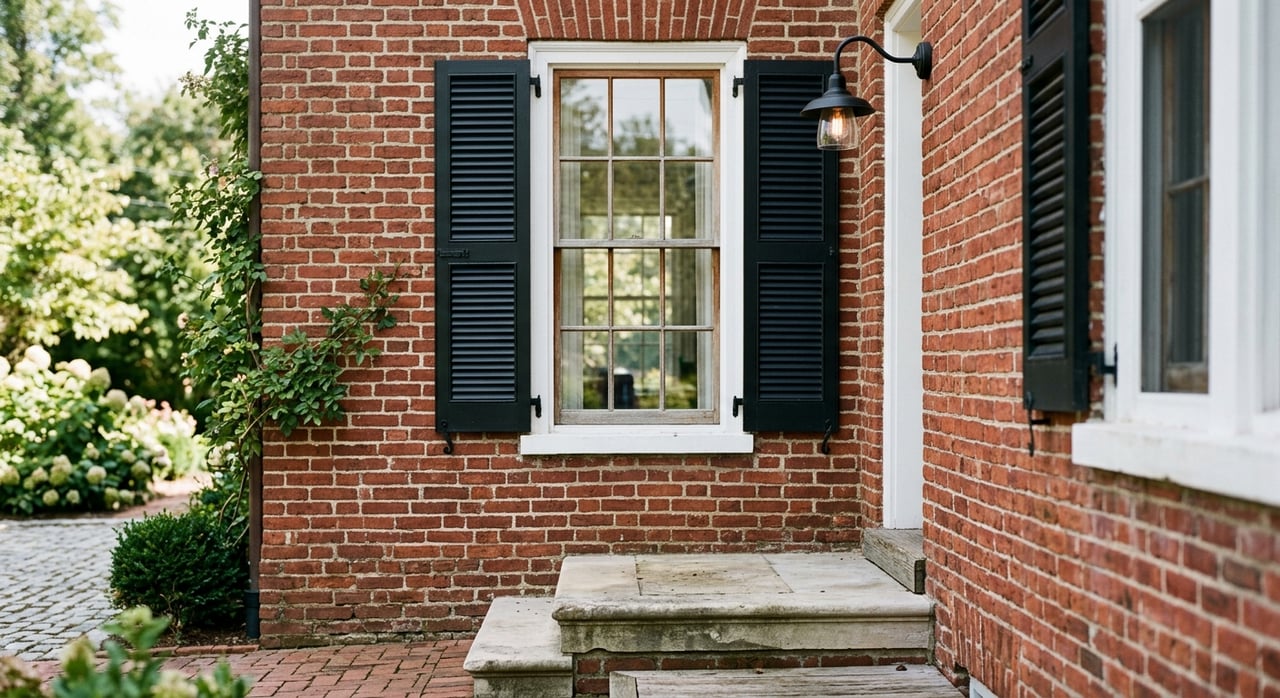
That is why your due diligence should go deeper than a basic checklist. If you are buying a historic home in Lebanon, pay close attention to moisture, foundation movement, roof and flashing, chimneys, masonry, porches, windows, shutters, trim, and the condition of mechanical systems.
Key Areas to Evaluate
- Basement moisture and drainage patterns
- Foundation cracks or signs of movement
- Roof age, flashing, and leak history
- Chimney condition and masonry wear
- Porch structure and wood deterioration
- Original windows and door operation
- Exterior trim, siding, and shutters
- Electrical, plumbing, and HVAC updates
These items are especially important because Lebanon’s local standards treat details like windows, doors, siding, trim, and site features as character-defining parts of a house, not just cosmetic finishes.
Understand Lebanon’s Preservation Rules
If the home is in a designated historic area, exterior work may involve more than permits. Lebanon’s historic-preservation framework is designed to protect historic areas and buildings, preserve architectural heritage, stabilize property values, strengthen the local economy, and encourage compatible development.
In the city’s Architectural Review Overlay district, development and rehabilitation that require a Certificate of Appropriateness are reviewed under the local preservation rules. Historic districts are treated as ARO districts, while the underlying zoning still applies.
In plain terms, a Certificate of Appropriateness is the city’s approval for new construction, demolition, or exterior alteration in a designated historic area. Routine maintenance and repair are generally exempt if they do not change exterior architectural features, so there is an important difference between ordinary upkeep and visible remodeling.
What Usually Triggers Review
- Exterior alterations
- Additions
- Demolition
- New construction in a designated historic area
What May Be Treated Differently
- Ordinary maintenance
- Like-for-like repair that does not alter exterior architectural features
This is one of the biggest reasons buyers should ask questions early. A project that seems simple from the outside can involve a city review process if it changes the home’s visible exterior character.
Plan Renovations Around Compatibility
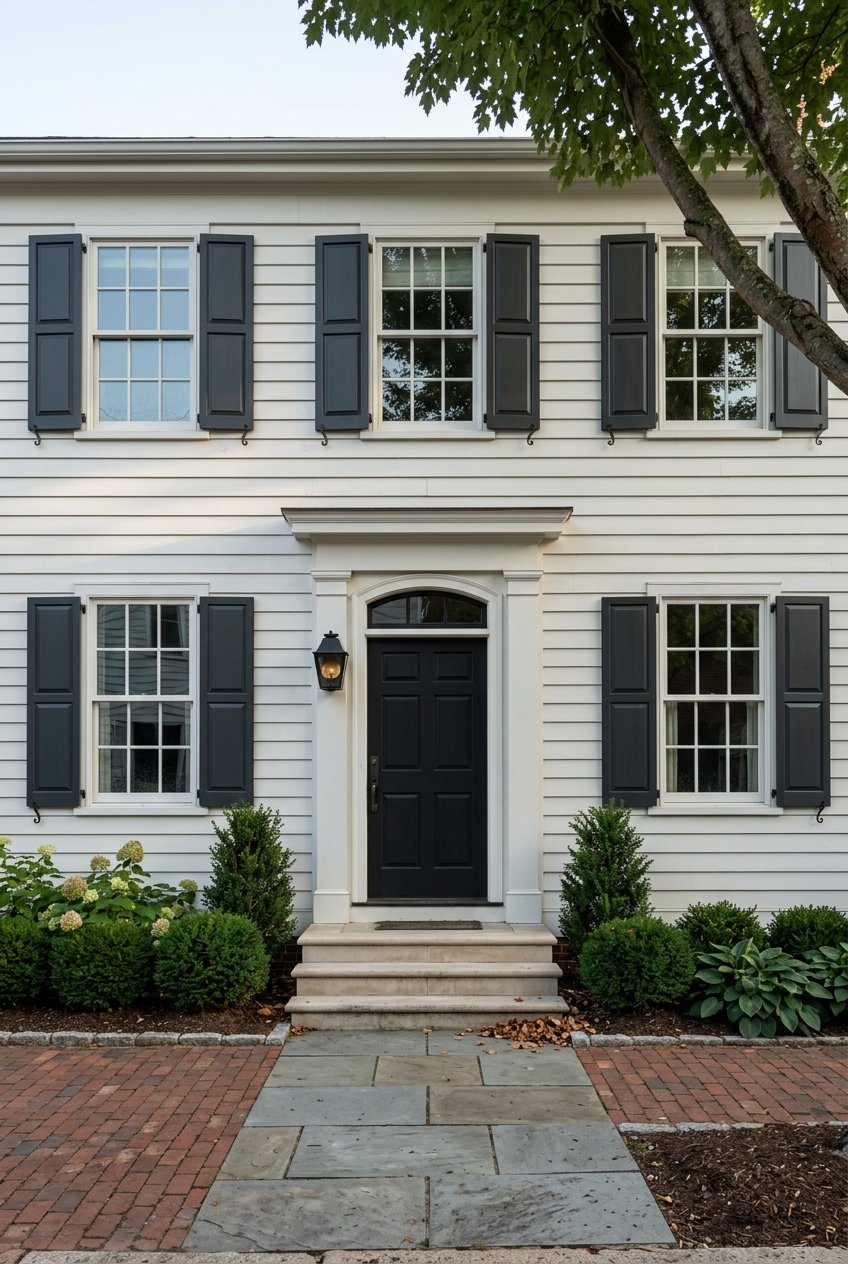
Lebanon’s standards are detailed, but they are not written to force every project into museum-level restoration. The city says the historic character of the property should be retained, additions should go to the rear or least visible part of the site when possible, and replacement materials should match the old work in a compatible way.
That means your renovation goals should focus on fit, not just novelty. For example, the code favors wood clapboard on wood-frame buildings, discourages covering brick with siding, discourages painting brick, and asks that utility services be placed underground where practical.
The city also emphasizes that these standards should be applied reasonably, with economic and technical feasibility in mind. For buyers, that is encouraging. It means the goal is sensible, compatible rehabilitation rather than perfection for perfection’s sake.
Questions to Ask Before You Buy
- Is the home in a designated historic area?
- Which past exterior changes may affect future approvals?
- Are the windows, doors, and openings original or altered?
- Do any siding or masonry treatments conflict with current standards?
- If you want to add space, where could an addition realistically go?
Budget for More Than Construction
One of the biggest mistakes buyers make with older homes is underestimating soft costs, hidden conditions, and approval time. Historic-home projects often need a stronger contingency because repairs may require compatible materials rather than fast off-the-shelf replacements.
A realistic budget should cover more than labor and materials. It should also leave room for extra inspection work, consultant input, permit fees, possible reinspection, and the slower pace that can come with specialty repairs.
Lebanon’s fee schedule gives buyers a useful starting point. The city lists a $40 residential Certificate of Appropriateness fee, a $200 zoning permit for new construction or additions to single-family and two-family dwellings, and a building-permit fee of $50 plus $3 per $1,000 of valuation for single-family, two-family, and three-family renovations or additions.
Expect a Layered Approval Timeline
Historic-home renovations in Lebanon can involve both city and county steps. Warren County’s building department enforces the Residential Code of Ohio in the City of Lebanon, so owners should expect county building permits and inspections in addition to city preservation review when applicable.
The county also notes that a Certificate of Occupancy comes only after final building, electrical, and plumbing inspections. Its general permit guidance references permits for items such as structures, decks, pools, generators, and solar panels, which is a reminder that even “later phase” improvements may need their own review.
A Typical Planning Sequence
- Confirm whether the property is in a historic review area.
- Evaluate the home’s condition with the right inspection depth.
- Define the renovation scope and priorities.
- Identify whether exterior work needs a Certificate of Appropriateness.
- Apply for city and county permits as required.
- Complete inspections and any needed reinspection.
- Receive final approvals and occupancy clearance where required.
If your move-in plan depends on completing work first, build in extra time. The renovation itself is only one part of the process.
Bring In Specialists Early
Historic homes reward careful planning, and that often means building the right team before closing or very soon after. Ohio SHPO’s Building Doctor program is clear that it is not a substitute for structural engineers or HVAC and electrical experts, and that those professionals should be recommended when needed.
That guidance is especially useful for Lebanon buyers. If your project affects the façade, windows, porch, roofline, masonry, or an addition, preservation-minded contractors or consultants can help you make choices that fit the house and reduce costly missteps.
Specialists Who May Matter
- Structural engineer for settlement or load-bearing concerns
- Preservation-minded contractor for exterior character work
- Masonry specialist for brick, mortar, or chimney issues
- HVAC, electrical, and plumbing professionals for major system upgrades
This is where practical real estate guidance can make a difference. When you buy with renovation in mind, you want to understand not just whether a house is beautiful, but whether the scope, cost, and process match your goals.
Consider Incentives if the Project Is Income-Producing
Some buyers look at historic property through an investment lens, especially if the rehab will be income-producing. In those cases, ask about incentives early, before work begins.
Ohio’s Historic Preservation Tax Credit program is competitive and biannual, with Ohio SHPO reviewing the rehabilitation portion of applications. There is also a federal 20% Historic Rehabilitation Tax Credit for income-producing certified historic structures that meet the substantial rehabilitation test.
Because these programs have specific requirements, it is smart to involve Ohio SHPO and a tax adviser early if your project may qualify. Waiting until after plans are set can limit your options.
A Smart Lebanon Buying Strategy
The right historic home in Lebanon can be incredibly rewarding. You get character, craftsmanship, and a connection to the city’s long history that newer homes simply cannot replicate.
At the same time, the smartest buyers stay grounded in process. They inspect more deeply, budget more carefully, ask approval questions early, and bring in the right specialists before small surprises become expensive ones.
If you are considering a historic Lebanon home with renovation in mind, I believe the goal is not to avoid old-house complexity. It is to understand it well enough that you can move forward with confidence, protect the home’s character, and make thoughtful updates that support how you want to live.
If you want a local partner who understands both home character and renovation decision-making, Juliet Wenzler Real Estate & Design Group can help you evaluate opportunities with clarity and a concierge-level approach.
FAQs
What makes a historic home in Lebanon different from other older homes?
- Historic homes in Lebanon can come from very different eras, including frontier-period, pre-Civil War, and early-20th-century construction, so materials, systems, and renovation needs can vary widely from one property to the next.
What should you inspect before buying a historic Lebanon home?
- You should look closely at moisture, basements, foundations, roofs, flashing, chimneys, masonry, porches, windows, doors, trim, and mechanical systems, since these are common trouble spots in older buildings.
What is a Certificate of Appropriateness in Lebanon?
- In Lebanon, a Certificate of Appropriateness is the city’s approval for new construction, demolition, or exterior alteration in a designated historic area.
Do routine repairs on a historic home in Lebanon need city approval?
- Ordinary maintenance and repair are generally exempt when they do not alter exterior architectural features, but visible exterior changes may require review.
How should you budget for a historic home renovation in Lebanon?
- You should plan for construction costs, permit and review fees, extra inspection depth, specialist input, hidden conditions, and contingency for compatible materials and slower project timelines.
Who should help with a historic home renovation in Lebanon?
- Depending on the property, you may need a structural engineer, preservation-minded contractor, masonry specialist, and licensed mechanical trades for major system upgrades or exterior character work.