Are you juggling grief, family expectations, and the pressure to sell a loved one’s home from miles away? You are not alone. Selling an inherited property in Oakwood can feel complex and time-sensitive, especially if probate is involved. This guide gives you a clear, step-by-step plan with local context, from confirming authority to closing and distributing proceeds. Let’s dive in.
Oakwood estate sales at a glance
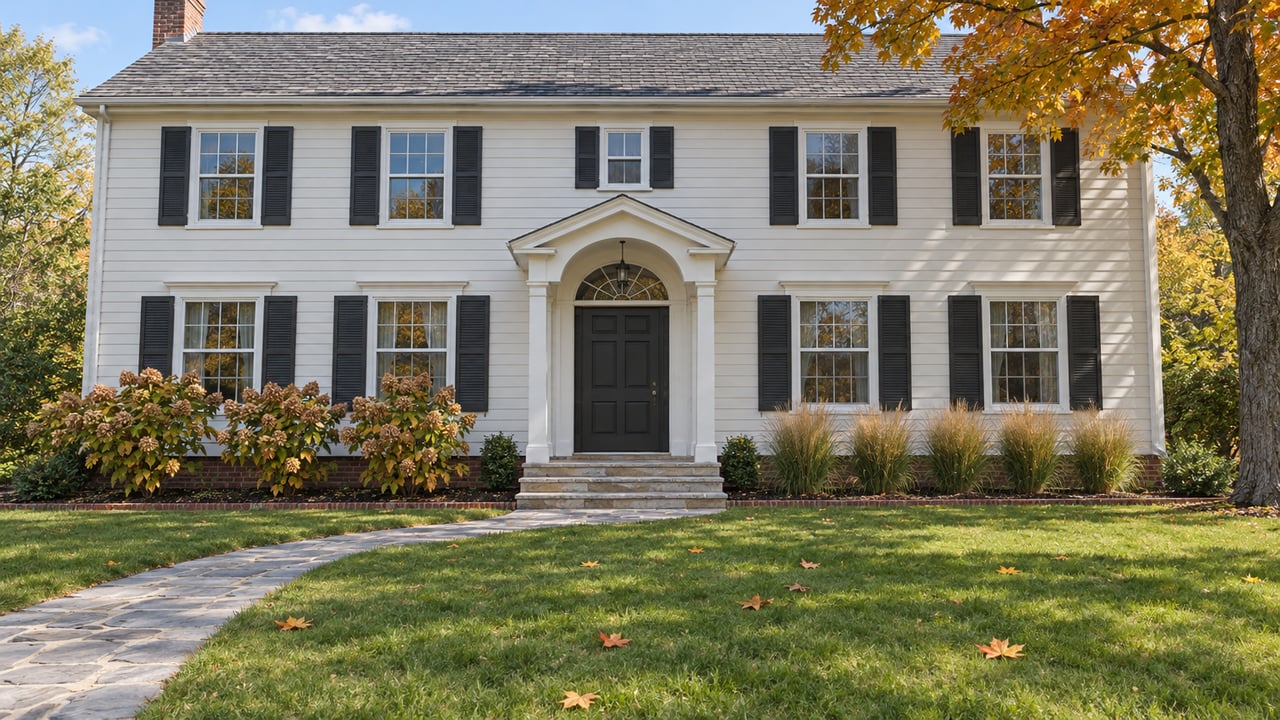
Oakwood sits just south of Dayton with established neighborhoods and many historic-era homes. Pricing and timelines usually depend on condition, lot, and proximity to everyday amenities. Because many Oakwood homes predate 1978, plan for lead-based paint disclosures if applicable, and expect extra attention to maintenance and updates.
Step 1: Confirm how the home transfers
Before you assume probate is required, confirm how title passes.
- Check the deed for ownership language like joint tenancy with right of survivorship, transfer-on-death designation, or a living trust.
- If title passes outside probate, the executor may not need court approval to sell. If it does not, the estate will likely go through probate.
- You can review the recorded deed through the Montgomery County Recorder or coordinate with a title company during planning.
Step 2: Secure authority and paperwork
If probate is required, you will need legal authority to sell.
- File the will, if any, and petition with the Montgomery County Probate Court. When approved, the court issues letters testamentary or letters of authority.
- Review the will for sale authority. Some wills allow the executor to sell without additional court permission. If not, the court may need to confirm the sale.
- Keep key documents on hand: certified death certificates, letters of authority, the legal description, mortgage payoff info, and recent tax bills.
Step 3: Protect and stabilize the property
Immediate actions in the first two weeks help safeguard value and reduce risk.
- Change locks, maintain utilities at safe levels, and secure valuables.
- Notify the insurance carrier and adjust coverage to reflect vacancy and estate ownership.
- Stop or forward mail, arrange lawn or snow service, and ask nearby neighbors to keep an eye on the property.
- Order multiple certified death certificates. Many executors find 6 to 12 copies helpful for banks, title, and benefits.
Step 4: Establish valuation with clarity
Set a price strategy that balances speed and net proceeds.
- Consider a professional appraisal, especially if the probate court requires it or if heirs need a formal valuation for accounting or the stepped-up basis.
- Request a comparative market analysis from a local Oakwood agent who understands historic homes and neighborhood nuances.
- If there are disputes among heirs, a formal appraisal can reduce conflict and help document the estate file.
Step 5: Choose your sales strategy
Decide early whether you will sell as-is or invest in targeted improvements.
- As-is sale: faster and simpler, often at a lower price point.
- Targeted repairs: focus on safety issues, roof, major systems, and items that impact financing and inspections.
- Presentation: professional cleaning, light staging, and great photos often improve both offer quality and speed.
If the home has historic features, preserve character while addressing deferred maintenance. Document any notable elements you plan to leave with the property.
Step 6: Prepare disclosures and inspections
Plan disclosures and optional pre-inspections to reduce surprises.
- Ohio typically requires a Residential Real Property Disclosure Form for condition awareness. Confirm the current form and instructions before listing.
- If the home was built before 1978, provide federal lead-based paint disclosures and the required pamphlet.
- If the property is in a homeowners association, gather covenants, rules, fees, and contact details early.
- Consider pre-listing checks like HVAC, roof, or pest inspections to reduce renegotiation risk later.
Step 7: Market to the right buyers
Strong presentation creates confidence and shortens time on market.
- Use professional photography and, when available, floor plans or a 3D tour. Virtual options help out-of-area heirs and buyers.
- Showcase updates clearly and keep repair invoices handy for buyer review.
- Make showing access simple and secure. A coded lockbox and a trusted local contact streamline agent previews and buyer showings.
Step 8: Review offers and navigate probate rules
Structure your review around net proceeds, timing, and certainty.
- Agree on a minimum acceptable net with heirs before listing. Use this benchmark as offers arrive.
- Consider the strength of financing, contingencies, and closing timelines alongside price.
- If court confirmation is required, plan for added time and follow the court’s process for approval.
Step 9: Close and account to heirs
The title company will guide the last steps once you accept an offer.
- Provide letters of authority, certified death certificates, and any court approvals required for the sale.
- Pay valid estate bills and commissions out of escrow according to Ohio rules and your authority.
- Record the deed transfer with the Montgomery County Recorder after closing.
- Maintain a detailed accounting of proceeds, invoices, and distributions for beneficiaries and tax filing.
Taxes and timing you should expect
Plan ahead to avoid last-minute surprises.
- Inherited property generally receives a stepped-up basis to fair market value as of the date of death, which can limit capital gains to post-death appreciation. A CPA can advise on timing and elections.
- Ohio’s estate tax has been phased out. Confirm current rules for any federal estate tax filing obligations and final returns.
- Expect standard recording and title fees at closing. The title company will outline a full cost sheet early in the process.
Out-of-area executor tips
If you are managing the sale from out of town, create a simple operating plan.
- Appoint a trusted local partner for on-site tasks and access.
- Use e-signatures, shared cloud folders, and weekly update calls to stay aligned.
- Ask for text or photo updates after each vendor visit to keep visibility on progress.
- Keep a central log of estimates, invoices, and receipts for accounting and beneficiary reporting.
Vendors to line up early
Build a lean, dependable team and keep communication simple.
- Probate attorney
- Real estate agent experienced in estate sales
- Title company and closing agent
- Licensed appraiser and optional inspectors
- General contractor or handyman
- Professional cleaner and staging service
- Estate sale or auction company, and a cleanout or donation-hauling service
- Locksmith and, if needed, a property manager or concierge for access and oversight
Practical timelines and costs
Every estate is unique, but these general ranges help you plan.
- Probate timing: straightforward estates can resolve in a few months. Cases with court confirmation or disputes may take 6 months or longer.
- Cleanout: small projects can be a few hundred dollars. Larger estates can cost several thousand dollars, depending on volume and disposal needs.
- Staging: modest staging often starts in the low thousands. Full-home staging is higher. Balance cost against expected impact on price and days on market.
Common pitfalls to avoid
A little preparation can prevent costly delays.
- Listing before confirming authority to sell.
- Skipping insurance updates on a vacant property.
- Underestimating the time needed for cleanouts and estate sales.
- Delaying required disclosures or lead-based paint documentation for pre-1978 homes.
- Not aligning heirs on net proceeds and decision-making timelines.
Your Oakwood-ready executor checklist
Use this condensed list as your working roadmap.
Immediate: first 14 days
- Locate the will, deed, insurance, mortgage statements, and tax bills.
- Secure the property, change locks, stabilize utilities, and safeguard valuables.
- Notify the insurer and order several certified death certificates.
- Consult the Montgomery County Probate Court or a probate attorney to confirm whether probate is required.
Weeks 2 to 8
- Open probate if needed and obtain letters of authority.
- Verify title and how the property transfers. Confirm any HOA.
- Order an appraisal or request a local CMA.
- Begin inventory, declutter, and line up cleanout or estate sale services.
- Hire a local agent experienced in probate and Oakwood’s housing stock.
Weeks 4 to 16
- Address safety and financing-critical repairs first. Consider targeted updates.
- Complete the Ohio property disclosure and, if applicable, the federal lead-based paint disclosure.
- Gather HOA documents, utility history, and property tax info.
- Launch marketing with professional photos and optional 3D or virtual tours.
- Review offers with heirs and the court if confirmation is required.
Closing and after
- Provide the title company with letters of authority and certified death certificates.
- Pay valid estate bills from escrow, close, and record the deed.
- Keep thorough records for beneficiary accounting and tax filings.
How we can help in Oakwood
If you prefer a done-for-you approach, a concierge team can remove the burden while protecting value. We coordinate cleanouts, targeted repairs, staging, and premium marketing like photography and 3D tours, then manage showings, offer review, and closing. Our process is designed for executors, especially those out of the area, who want clear communication, transparent budgets, and a smooth, respectful sale timeline.
Ready to talk through your plan? Reach out to Juliet Wenzler to schedule your complimentary concierge consultation.
FAQs
What is the first step to sell an inherited home in Oakwood?
- Confirm how title passes by reviewing the deed, then contact the Montgomery County Probate Court or a probate attorney to determine whether probate and letters of authority are required.
Do I need a formal appraisal for probate in Montgomery County?
- Some estates do. A licensed appraisal can support probate accounting and help resolve heir questions. A comparative market analysis also helps with pricing when you list.
Are there special disclosures for older Oakwood homes?
- Yes. If the home was built before 1978, provide the federal lead-based paint disclosure and pamphlet. Ohio also typically requires a Residential Property Disclosure Form.
How many certified death certificates should I order?
- Many executors order 6 to 12 certified copies for title, banks, insurance, and benefit administrators, which speeds up account transfers and closing.
Who pays bills during the estate sale process?
- The executor uses estate assets to pay valid debts and expenses, often via closing proceeds. Keep detailed records for accounting and tax filings.
What if heirs disagree about selling the home?
- Disagreements can delay the sale. Clear communication, written agreements, or a buyout arrangement may help. If needed, the probate court can resolve disputes.
How long does a probate-related sale take in Oakwood?
- Simple cases may close in a few months. If court confirmation is required or issues arise, plan on 6 months or longer.
Should I sell as-is or make repairs on an inherited home?
- It depends on condition, budget, and timing. Safety and system repairs can expand your buyer pool, while as-is can be faster. Weigh cost against expected net proceeds and time on market.