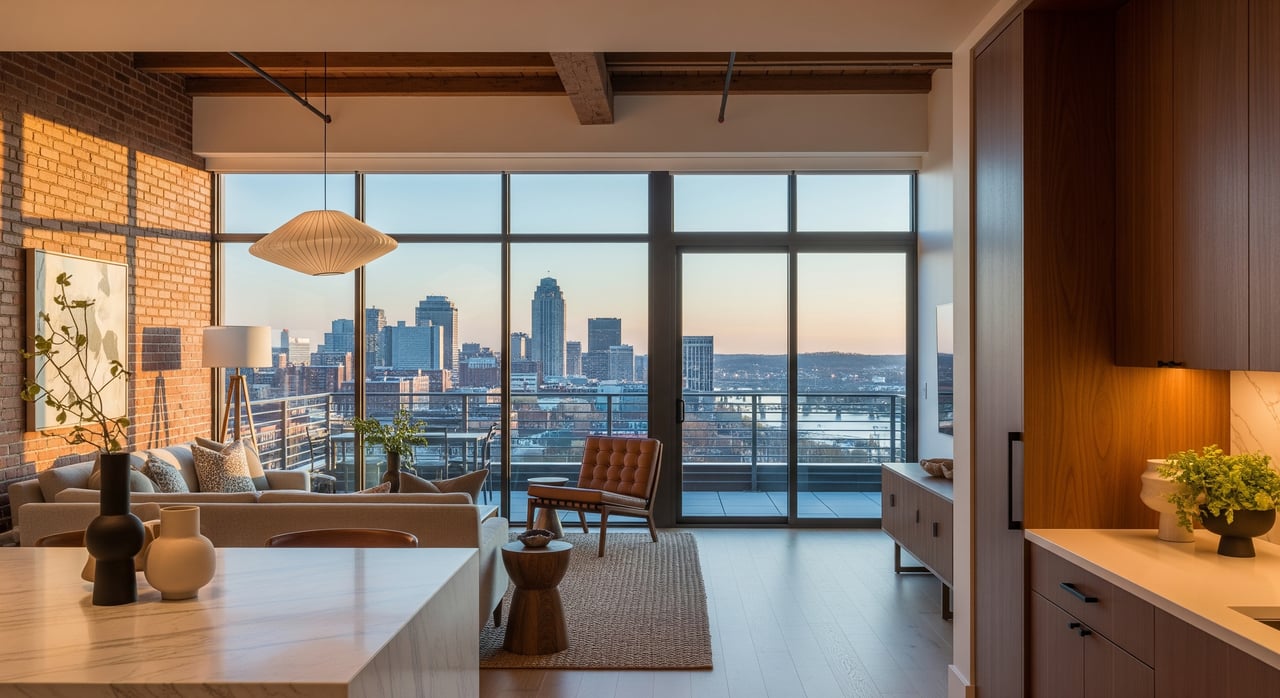
Curious what daily life in downtown Dayton really feels like? Maybe you want a shorter commute, a walkable block, or a front-row seat to the arts. You want the vibe and the convenience, but you also need the practical details that make a home work day to day. In this guide, you’ll learn how downtown is laid out, where people eat and gather, what housing looks like, and the everyday logistics like transit, parking, groceries, and noise. Let’s dive in.
Where downtown Dayton begins
Downtown Dayton centers on the business district around Courthouse Square, with a compact footprint that makes it easy to move between hubs. A simple way to picture it is from the Great Miami River south to about Third Street, and from Ludlow Street east to Patterson Boulevard. Within that area you’ll find the Oregon District to the southeast, the historic Wright-Dunbar area to the northwest, the riverfront parks around RiverScape, and redevelopment pockets like the Arcade.
For a deeper look at maps, events, and businesses, explore the resources from the Downtown Dayton Partnership. It’s a helpful starting point for orienting yourself block by block.
Walkability and street feel
You can walk to a lot in the core, especially near Courthouse Square, the Oregon District, and the riverfront. Sidewalks are continuous, and the mix of historic buildings, newer apartments, and public plazas gives the area character. Activity tends to cluster near restaurants and venues, then thin out on blocks with garages or surface parking.
Walkability varies by address, so it helps to check a map and walk the area at different times of day. Some buildings sit on lively blocks that pulse on weekends. Others are a few quiet minutes off the main drag. If you rely on errands by foot, note the distance to coffee, markets, and transit stops for your specific building.
Dining, coffee, and breweries
Downtown’s food scene blends long-standing local staples with newer concepts in renovated spaces. You’ll find casual cafes and coffee shops for weekday mornings, locally owned restaurants for dinner, and a growing craft brewery presence. Late-night options concentrate in the Oregon District, which draws a regional crowd on weekends.
Because openings change, use the Downtown Dayton Partnership business directory for up-to-date options. Many spots occupy historic brick buildings or the restored Arcade blocks, so you get both good food and a sense of place.
Arts, events, and nightlife
As the metro’s cultural hub, downtown anchors theaters, galleries, and historic sites connected to the Wright brothers and Paul Laurence Dunbar. Big events land at RiverScape and Courthouse Square, with seasonal festivals and outdoor concerts shaping the calendar. Smaller neighborhood gatherings and gallery nights pop up in the Oregon District and adjacent streets.
For a wider view of what’s happening across the city, the Dayton Convention & Visitors Bureau keeps regional listings and visitor info. If you like to plan weekends around performances and festivals, living downtown puts you close to the action.
Parks and the riverfront
The Great Miami River is a major asset. RiverScape’s paths and plazas make it easy to get outside for a walk, run, or lunch break by the water. Many residents mix riverfront strolls with trips to nearby green spaces managed across the region.
If you commute by bike or enjoy longer rides, check regional planning resources from the Miami Valley Regional Planning Commission for bike and trail information. You’ll find that downtown is a practical jumping-off point for rides along the river corridor.
Getting around: transit, driving, and parking
Downtown is a primary hub for the Greater Dayton RTA, which connects city and suburban routes into the core. Service tends to be more frequent during peak hours on major corridors, with lighter weekend schedules. Route maps and timetables are available through the Greater Dayton RTA.
If you drive, highway access is straightforward. I-75 runs just west of downtown and connects quickly to I-70 and other regional routes. Parking includes a mix of metered street spaces, municipal lots, and garages. Many buildings offer resident parking for an extra monthly fee or through a nearby garage. Visitor parking is generally easier on weekdays, then tight during big events.
Housing options: lofts, apartments, and condos
You’ll see a range of residential choices: historic loft conversions in former commercial and industrial buildings, mid-rise and low-rise apartment communities, and condos in select buildings and adjacent neighborhoods. New construction and renovations have added more market-rate and luxury units over the past several years.
These homes tend to attract singles, young professionals, and empty nesters who want a walkable lifestyle and shorter commutes. Family-sized units exist, but they are less common than in the suburbs.
Renting vs. owning
Downtown has a strong renter presence, with ownership opportunities in certain condo buildings and nearby streets of single-family homes. Pricing and availability can shift quickly as new projects open. If you are comparing buildings, factor in parking costs, in-unit laundry, pet policies, storage, and any community amenities that affect value.
Building-level checks that matter
Older and repurposed buildings have charm and unique layouts, but it pays to ask detailed questions:
- Parking setup and monthly costs, including guest options.
- HOA or condo fees and what they cover.
- Age and condition of plumbing, electrical, windows, elevators, and HVAC.
- Sound mitigation if you are above nightlife or on an event corridor.
- Pet rules, deposits, and breed or weight limits.
- Walkability to groceries, transit, and services you use weekly.
- Any floodplain history or insurance needs if the property is near the river. To verify flood risk, use FEMA’s National Flood Hazard Layer.
Services: groceries, healthcare, and everyday errands
You will find a smaller number of full-service grocery stores within the core, so many residents combine small-market stops with short drives to larger supermarkets. If you prefer weekly grocery trips on foot, confirm the walking distance from your specific building.
Healthcare access is strong within the city, with hospitals and clinics a short drive from downtown. Pharmacies and urgent care clinics are spread across the surrounding neighborhoods, so it helps to map your quickest options for after-hours needs.
Safety, schools, and families
As in many urban cores, reported crime rates can be higher than in surrounding suburbs, and incidents are often concentrated near nightlife clusters and specific blocks. Focus on trends and location-specific patterns rather than citywide averages. Check block-level reports and talk with building management and neighbors about security features, lighting, and quiet hours.
Downtown is served by Dayton Public Schools, and there are charter and magnet options within the city. Families who want certain school programs sometimes look to close-in suburbs and then commute in for work and culture. If schools are a top priority, compare program offerings and transportation options early in your search.
Day-in-the-life snapshots
Here are a few ways your day might flow based on lifestyle. Use these as a feel test while you tour buildings.
Young professional
- Morning: Walk to a nearby coffee shop, then a short commute to an office or co-working space.
- Lunch: Meet friends at a casual spot on a lively block near Courthouse Square.
- Evening: Run along the riverfront, then dinner and a show, or a brewery stop in the Oregon District.
Small household
- Morning: Breakfast at home, daycare drop-off, then hop on RTA or drive out for work.
- Lunch: Quick errand loop by foot, then pick up a few groceries on the way home.
- Evening: Family walk at RiverScape or a community event on Courthouse Square.
Empty nester
- Morning: Gym or yoga within a few blocks, then a quiet coffee and news.
- Afternoon: Museum visit or gallery browsing, followed by a late lunch downtown.
- Evening: Concert or theater, then a short walk home without worrying about a long drive.
Quick apartment-hunting checklist
Use this list to compare buildings apples to apples:
- Total monthly cost: base rent or mortgage, parking, internet, utilities, and fees.
- Noise: days and hours you care about most, plus any soundproofing details.
- Storage: closets, bike storage, and whether off-site storage is available.
- Laundry: in-unit vs. shared, and cost.
- Pets: deposits, monthly fees, and nearby greenspace.
- Transit: nearest RTA stop and route frequency for your commute.
- Groceries: walking distance to markets you’ll use weekly.
- Building condition: windows, HVAC, elevators, and roof or façade maintenance.
- Safety: lighting, access control, and on-site staff or security measures.
- Flood and insurance: verify with FEMA resources if near the river.
Is downtown right for you?
If you value walkable access to restaurants, arts, and events, downtown Dayton delivers. You trade a yard for a smaller footprint and easy access to the riverfront, theaters, and community life. On balance, the biggest wins are convenience and culture. The common trade-offs are smaller unit sizes, limited private outdoor space, paid parking, and weekend noise near nightlife.
If you want a local guide who understands both lifestyle fit and building quality, I can help you compare options, weigh renovation potential, and navigate the details that protect your comfort and budget.
When you are ready to explore homes or condos in and around the core, connect with Juliet Wenzler Real Estate & Design Group to schedule your complimentary concierge consultation.
FAQs
Is downtown Dayton walkable for daily errands?
- Yes, for many addresses. The core around Courthouse Square, the Oregon District, and the riverfront is compact, though block-by-block convenience varies, so check your specific building’s distance to groceries, transit, and services.
How is parking for residents in downtown Dayton?
- Expect a mix of on-street meters, lots, and garages. Many buildings offer monthly garage options for a fee. Visitor parking gets tighter during events, so plan guest passes or nearby alternatives.
What are transit options if I live downtown?
- Downtown is a primary hub for the Greater Dayton RTA. Service is typically more frequent on major routes during peak hours, with lighter weekend schedules.
What is nightlife like in the Oregon District?
- It is a lively cluster of restaurants, bars, and late-night options that attracts visitors from across the metro, especially on weekends. If you want quieter evenings, consider buildings a few blocks off the main corridors.
Are there full-service grocery stores near downtown Dayton?
- Options within the core are fewer than in the suburbs. Many residents use nearby small markets and drive a short distance to larger supermarkets. Confirm the walk or drive time from your specific address.
How can I check flood risk for a downtown building?
- Use FEMA’s National Flood Hazard Layer and ask your agent or property manager about any flood insurance requirements or past incidents.