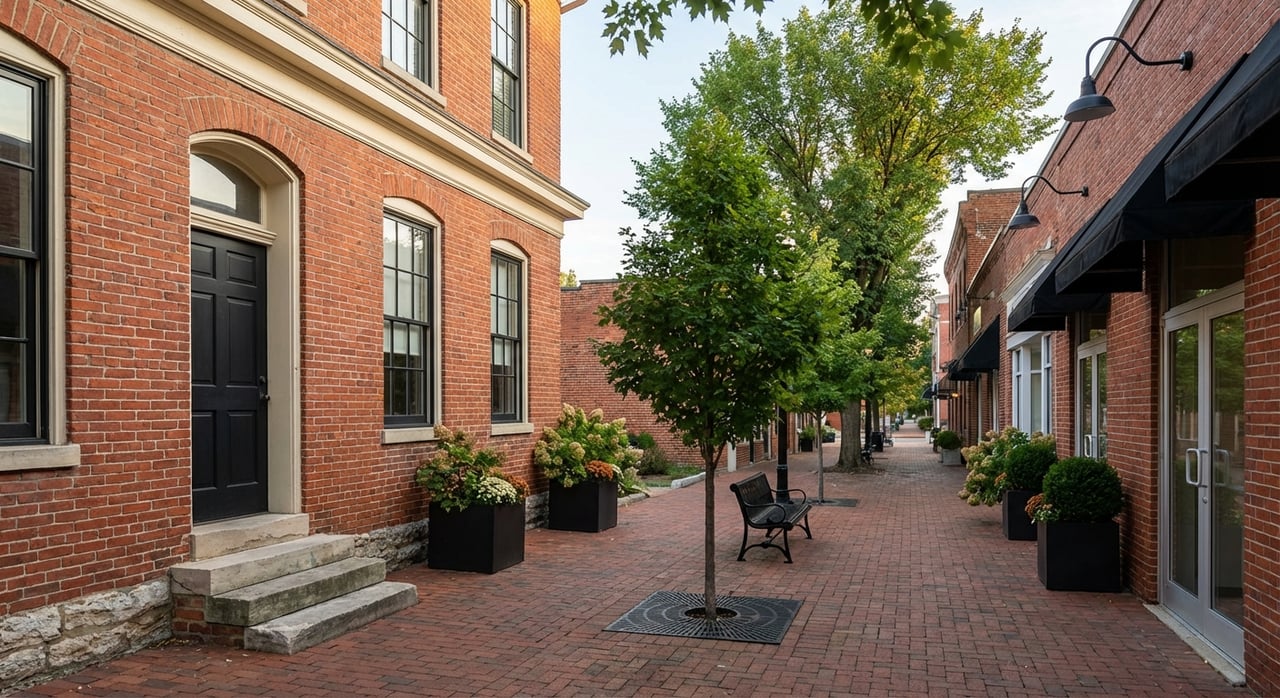
Imagine stepping out your front door to brick sidewalks, local boutiques, and dinner at Ohio’s oldest inn before a summer concert on the square. If you love character-filled homes and a walkable routine, historic Lebanon in Warren County may be a perfect fit. In this guide, you’ll learn what daily life downtown looks like, where to find the most charming historic homes, and what to know before buying in a historic district. You’ll also get a practical checklist to shop smart and plan upgrades with confidence. Let’s dive in.
Downtown life, simplified
Historic Lebanon centers on a compact, tree-lined core with antiques, boutiques, and restaurants that give everyday errands a relaxed pace. Anchoring the scene is the Golden Lamb, widely noted as Ohio’s oldest inn and restaurant, a living landmark that draws visitors and locals alike. If you are exploring for the first time, the city’s handy downtown map and parking guide makes it easy to plan a quick loop.
Street life follows a comfortable rhythm. The Thursday Lebanon Farmers Market runs mid-May through mid-October from 4 to 7 pm, so you can stroll for produce and baked goods after work. Seasonal concerts, parades, and festivals bring extra energy to Bicentennial Park and the surrounding blocks. On quieter days, you can still count on a steady hum from cafes and shops.
For weekend fun, dinner at the Golden Lamb pairs well with a simple shopping circuit or a short ride on the heritage train, which keeps local history front and center. If you like a lively stroll, visit during market or event hours. If you prefer a low-key coffee run, early mornings are a great time to absorb the architecture.
Parks, trails, and easy access
Lebanon reports more than 700 acres of parks and about a dozen miles of multi-use paths and trails, so outdoor time is close at hand. Explore options and park locations through the city’s Parks & Recreation department.
Commuting is straightforward. The city sits roughly 28 miles from Cincinnati and about 27 miles from Dayton by road, often 30 to 40 minutes depending on traffic and route. That regional access lets you enjoy small-city living without giving up big-city job centers or airport access.
Public investment is ongoing. A recent federal and local funding package includes a pedestrian-safety initiative that underscores the city’s continued focus on walkability and access downtown. You can read a summary of that commitment in this project funding overview.
Where to find historic homes
Districts and streetscapes
Lebanon’s historic character clusters around downtown, where multiple National Register listings and locally significant properties preserve a strong period streetscape. The Floraville Historic District, just southwest of the core, is known for notable 19th-century residences and villas. If you want a deep dive into the styles documented there, explore the Floraville Historic District.
Other nearby areas showcase a mix of commercial and residential landmarks. Together, these districts create connected blocks of original brickwork, porches, and tree canopies that make evening walks feel special.
What homes look like
Expect a rich mix of architectural styles and eras:
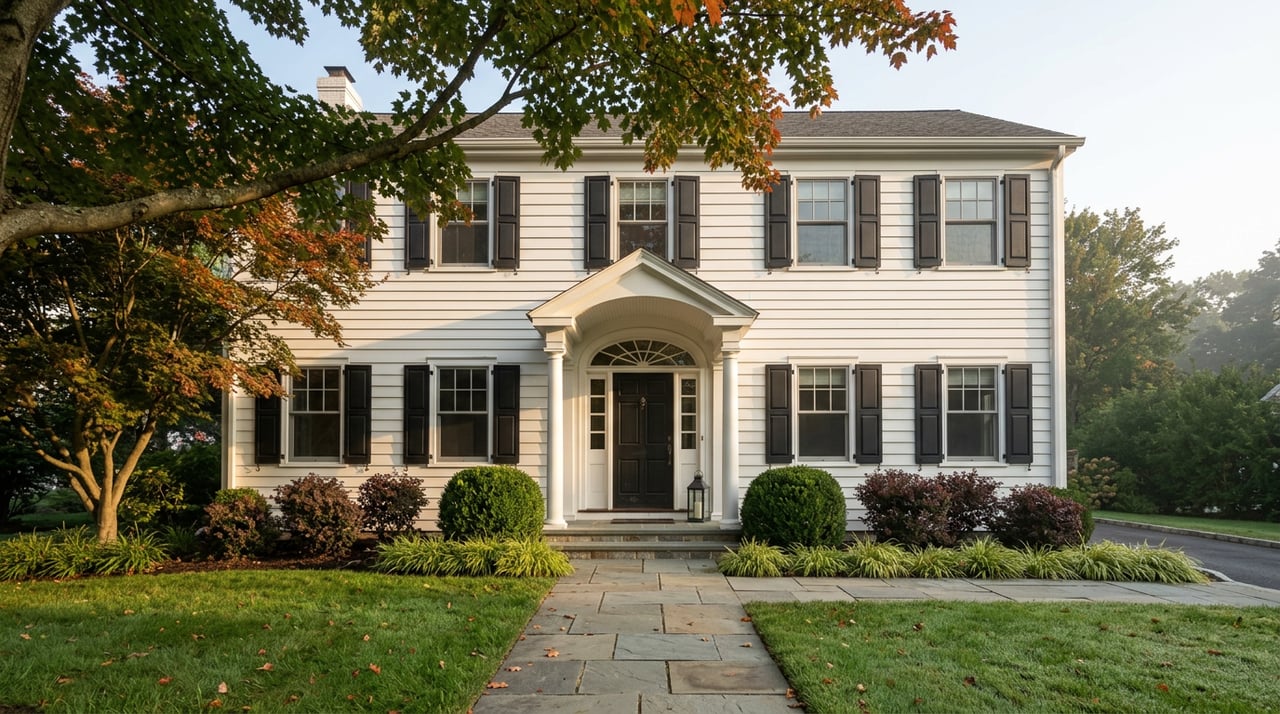
- Federal and Greek Revival: clean lines, simple cornices, transom windows, and often modest front setbacks.
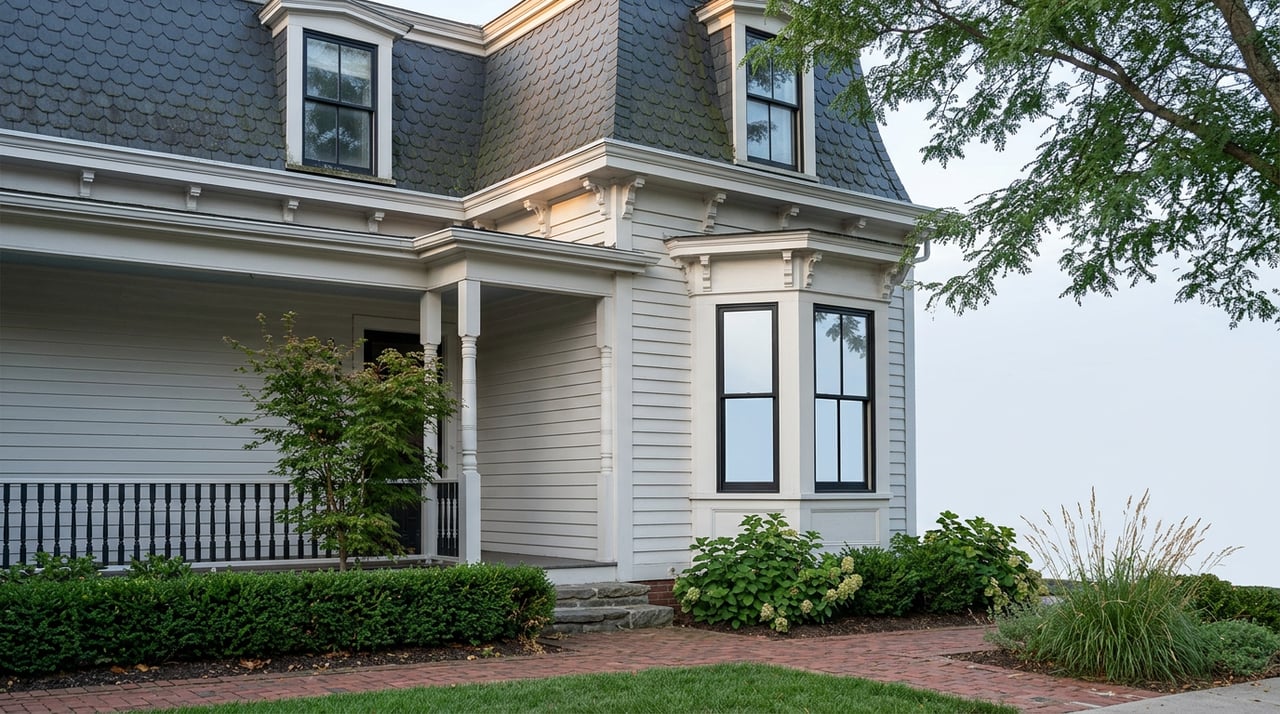
- Italianate and Gothic-influenced villas: tall narrow windows, decorative brackets, and notable rooflines.
- Queen Anne and late Victorian: asymmetry, wraparound porches, bay windows, and spindlework.
- Early 20th century infill: Craftsman bungalows with broad porches, and Colonial Revival homes with balanced facades.
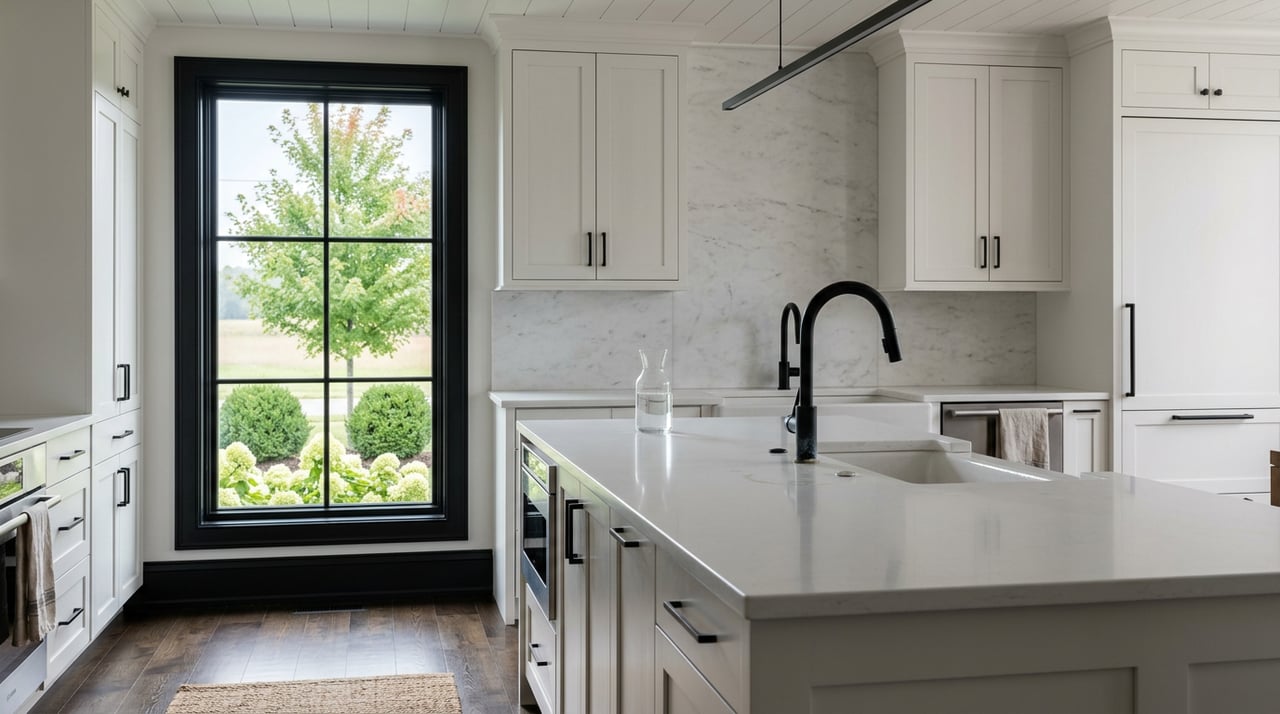
You will also see updated interiors behind historic facades. Many homes have thoughtful modernizations, while others are ripe for a design-forward refresh.
Before you buy: key rules and realities
Buying an older home is rewarding, and it comes with a few extra steps. Here is what to know so you can plan with confidence.
Historic design review
If the property sits in a local historic district or overlay, exterior changes may be subject to architectural review. That process helps preserve Lebanon’s character, and it can affect timelines for windows, siding, porches, or additions. Always confirm rules and permitting expectations with the city’s Planning & Development department before you write renovation plans.
Inspections that matter in older homes
- Lead-based paint: Homes built before 1978 often contain lead paint. If you plan to disturb painted surfaces, follow the EPA’s Renovation, Repair and Painting guidance on lead-safe work and disclosures. See the EPA’s consumer overview on lead-safe renovation.
- Electrical: Older wiring such as knob and tube, cloth-insulated conductors, or mid-century aluminum can be present. A licensed electrician should evaluate panels, grounding, and branch circuits. Some insurers require updates before issuing full coverage.
- Plumbing and HVAC: Galvanized supply lines, early cast iron drains, and aging furnaces or AC units are common in older housing. Expect to budget for replacements or selective modernization.
- Energy and comfort: Original windows, limited wall insulation, and single-pane glass are typical in historic homes. Owners often balance character with upgrades like attic insulation, storm windows, and efficient HVAC.
Radon in Ohio homes
Ohio has broad radon potential. Federal guidance recommends testing every home, and the state promotes awareness and access to test kits. Include a radon test during inspections and plan for a mitigation system if levels are high. For a quick primer on Ohio radon testing and disclosure considerations, review this statewide overview.
Insurance and financing notes
Some lenders and insurers flag safety-related defects such as aging roofs, outdated wiring, or nonfunctional systems. Build time into your offer for thorough inspections, contractor quotes, and any repairs that may be required for underwriting.
Market snapshot and how to choose
Citywide home values in late 2025 and early 2026 generally sit in the mid to upper 300s, with a typical value reported near 387,000 dollars and a median sale price in the mid 300s. Inside downtown, pricing varies by block and by level of restoration. You will see everything from smaller attached homes and condos to fully restored historic houses with larger lots.
Use these quick profiles to focus your search:
- Walk-to-everything lifestyle: Smaller historic homes, condos, or row-style options near the square. Expect event-day energy and easier access to shops and cafes.
- Big character, more space: Larger 19th-century homes in or around Floraville and neighboring streets. Often deeper lots and signature architectural detail.
- Newer homes with downtown convenience: Recent subdivisions a short drive from Broadway and Mulberry, with simpler maintenance and modern systems.
It pays to visit at different times of day and on event evenings to understand parking, sound, and the overall street vibe you prefer.
Quick buyer checklist
- Confirm historic status: Ask if the property lies within a local historic district or overlay, and discuss exterior plans with Planning & Development early.
- Order thorough inspections: General home inspection plus specialists for electrical, HVAC, plumbing, and a radon test. If pre-1978 paint is present, follow EPA lead-safe practices.
- Know parking and services: Review the downtown map and parking guide if you plan to live near the square.
- Test the routine: Visit during the farmers market and on a quiet weekday to compare pace and noise.
- Budget smart: Price out likely upgrades, from electrical and HVAC to exterior maintenance, so your offer reflects true total cost.
Make your move with confidence
Historic Lebanon offers the best of both worlds: an inviting downtown and homes with lasting character. If you want help evaluating a property’s renovation potential or preparing a historic listing to shine, I pair hands-on construction and design insight with white-glove service and polished marketing. Let’s talk about your goals and put a plan in motion.
Reach out to Juliet Wenzler Real Estate & Design Group to Schedule your complimentary concierge consultation.
FAQs
What is daily life like in downtown Lebanon?
- Expect a compact, walkable core with independent shops, the Thursday farmers market in season, and regular concerts and events, plus easy parking using the city’s published map.
Where are most historic homes in Lebanon?
- You will find many near the downtown core, with notable concentrations in and around the Floraville Historic District and other established neighborhoods with National Register listings.
What permits or approvals apply to exterior changes in historic districts?
- Properties inside local historic overlays may require architectural review for exterior work. Always consult the city’s Planning & Development department before starting design or construction.
What inspections are most important for older Ohio homes?
- In addition to a general inspection, schedule specialists for electrical, HVAC, and plumbing, include a radon test, and follow EPA lead-safe renovation guidance if the home predates 1978.
How long is the commute from Lebanon to Cincinnati or Dayton?
- Drives are commonly about 30 to 40 minutes depending on traffic and route, reflecting distances of roughly 28 miles to Cincinnati and 27 miles to Dayton.
Are there parks and trails close to downtown homes?
- Yes. The city reports more than 700 acres of parks and a connected network of trails and paths maintained by Parks & Recreation.