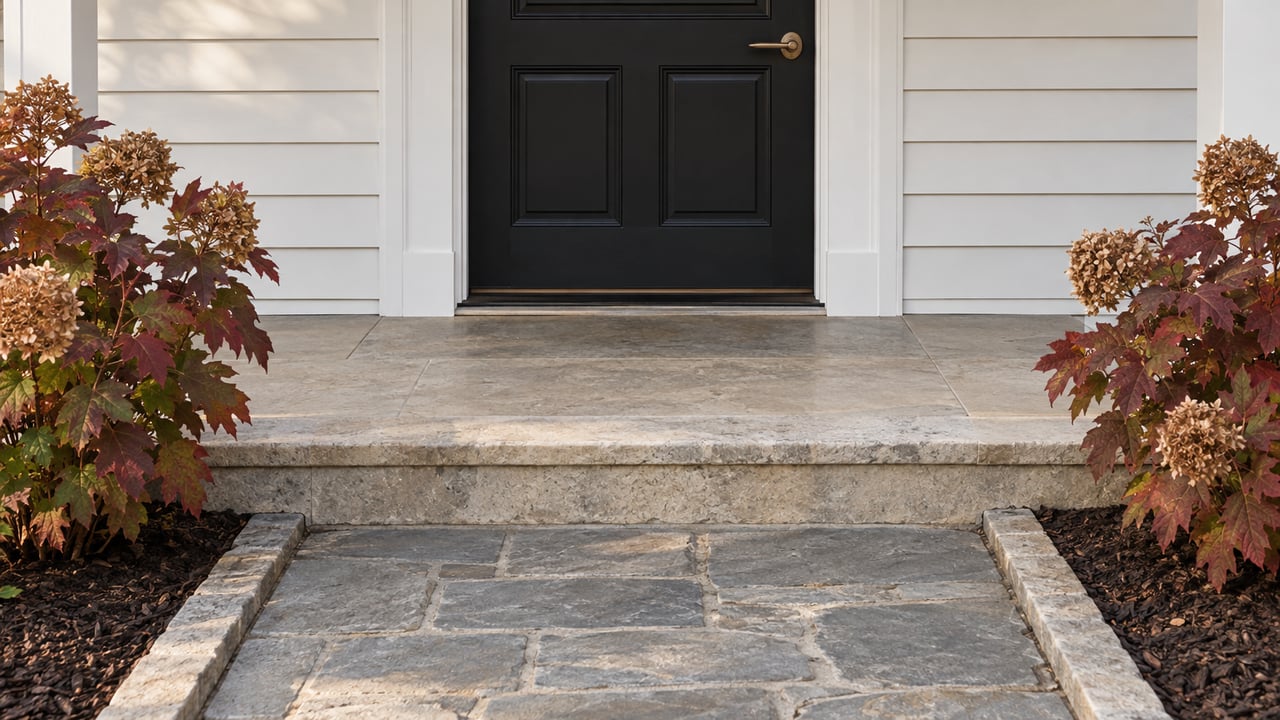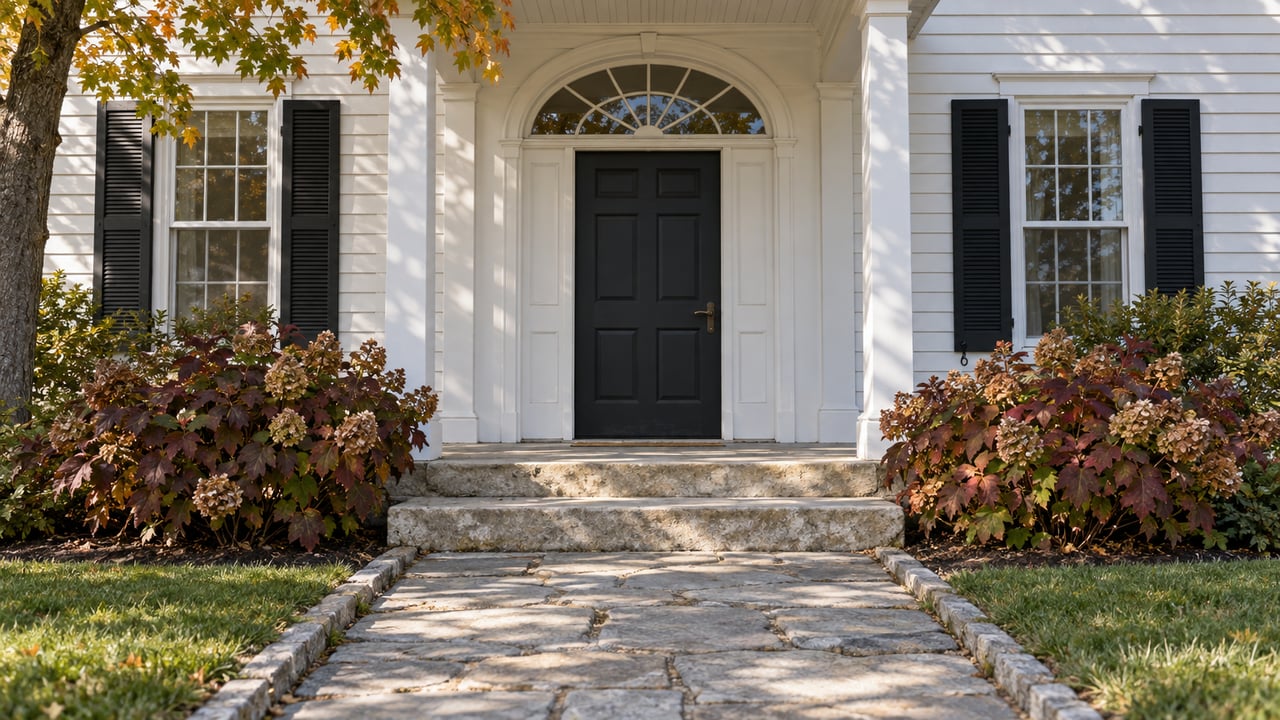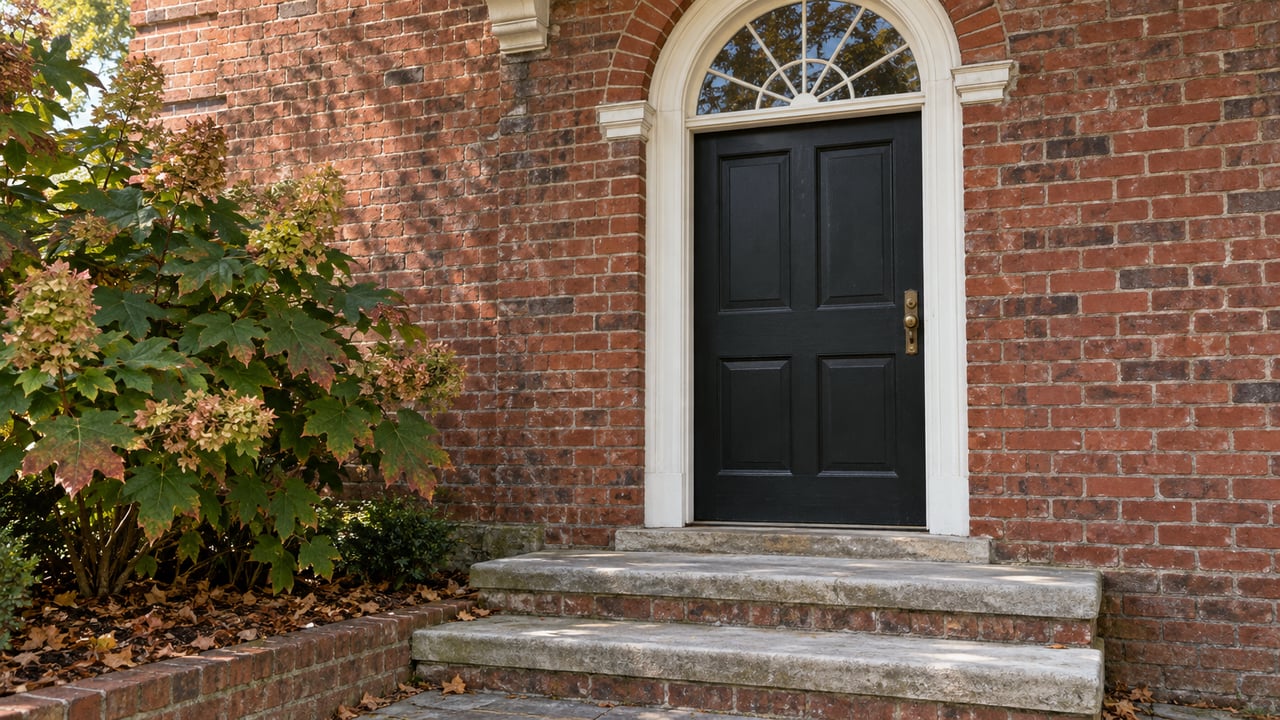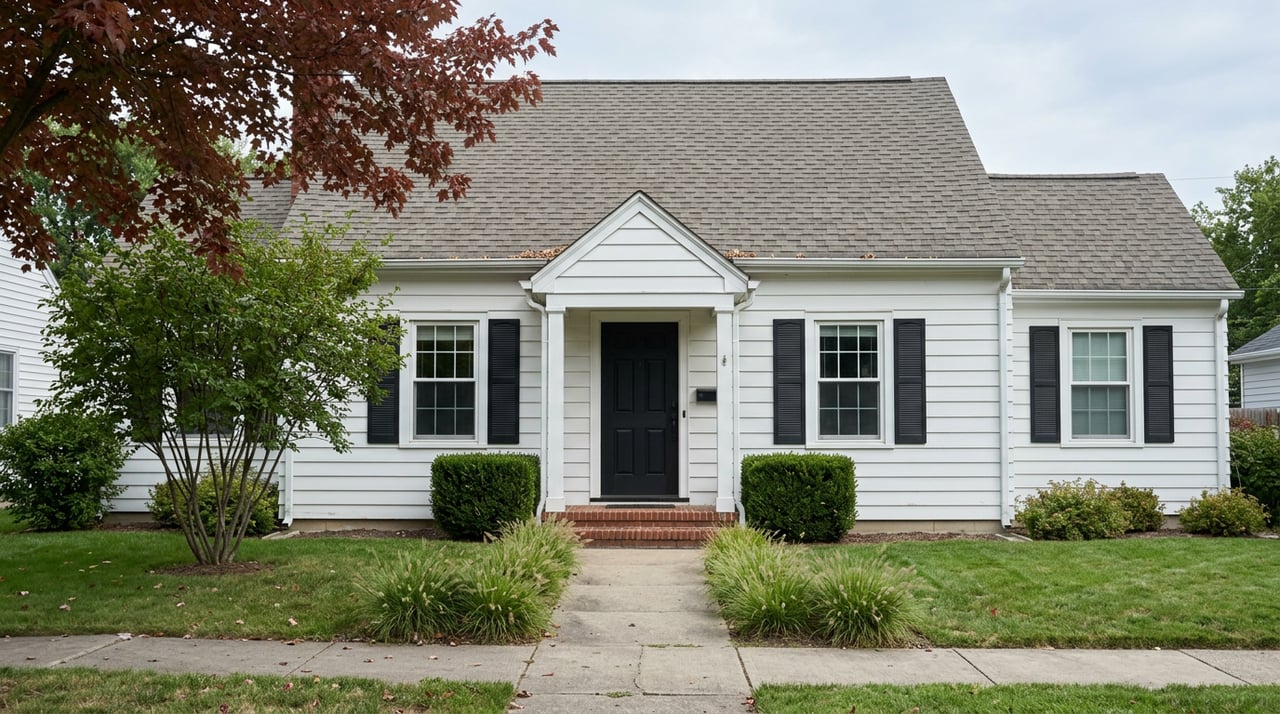
Picture two houses on opposite ends of the same city block in West Dayton. Both built in the 1920s. Both need roughly the same amount of work: new mechanicals, a kitchen gut, maybe a rear addition. Same contractor bid. Same $100,000 renovation budget. As the Dayton Daily News reported, one owner could owe property taxes on that improvement, while the other could qualify for an exemption on the added value of their home for up to 15 years, because one side of the block sits inside a Community Reinvestment Area and the other does not.
That line exists on a zoning map at Dayton's Department of Planning, Neighborhoods and Development. It does not exist on a listing sheet, a home inspection report, or most of the renovation calculators buyers use to decide whether a fixer-upper actually makes financial sense. If you're evaluating a renovation project or comparing two similar-looking blocks in Dayton, that's the gap worth closing before you run the numbers.
A Tax Break That Doesn't Show Up in the Comps
A Community Reinvestment Area, or CRA, is a state-authorized tool Ohio cities have used since the 1970s to encourage owners to fix up or rebuild in places investment has lagged. Ohio's Community Reinvestment Area Program was created in 1977 and revised in 1994 under sections of the Ohio Revised Code, and it lets municipalities designate zones where new construction and qualifying renovations get a temporary break on the added property tax value.
As the Dayton Daily News reported, Dayton ran about 14 of these zones as of late 2024, covering roughly 16 square miles of the city's 56 total square miles. That's already a meaningful share of the map, and city planning staff proposed expanding it further that year with a new "West CRA" that would have covered everything south and west of the Wolf Creek waterway and the Great Miami River, quadrupling the footprint of the two older west-side CRAs it was designed to replace. As of the most recent public reporting on that proposal, the ordinance had cleared its first reading before the Dayton City Commission and was still being worked through with Dayton Public Schools, since school districts are typically the largest recipient of local property tax revenue and any large CRA expansion touches their funding.
Whether or not that specific expansion has since been finalized, the underlying mechanism it would extend is already active and already shaping which Dayton blocks attract renovation dollars.
What the Abatement Actually Does (and What It Doesn't)
As Historic South Park explains, a CRA abatement doesn't erase your property tax bill. It exempts the increase in taxable value that comes from the improvement, for a set number of years, while the land and the existing structure keep getting taxed at their normal rate the whole time.
Dayton's residential CRAs generally offer an exemption on that added value. A hypothetical Dayton Daily News used to illustrate the math: if you own a $50,000 home inside a CRA and put $100,000 into a new addition, you can keep paying property taxes for the next 15 years as if the house were still worth $50,000. The $100,000 in new value simply doesn't show up on your tax bill until the abatement expires.
That's a real number for a renovation-focused buyer to run against a competing property that sits just outside a CRA boundary.
Where the Money Has Actually Landed
The clearest place to see this play out isn't a spreadsheet, it's the riverfront. The Water Street District, the mixed-use neighborhood built around Day Air Ballpark and adjacent to RiverScape MetroPark, was developed by Crawford Hoying and Woodard Development through what the developers describe as a public-private partnership structure that combined grants, guarantees and abatements with private capital. The Water Street District is home to PNC Bank's regional office, the AC Hotel by Marriott and Fairfield Inn & Suites, and hundreds of apartment units across buildings like the Delco, Monument, the Sutton and Centerfield Flats.
The most recent citywide figures available show about 192 residential properties and 29 commercial or industrial properties currently benefiting from Dayton's CRA program, with residential CRA investment exceeding $194 million. That's not evenly spread across the city. It concentrates wherever the boundary lines happen to fall, which means two neighborhoods with similar housing stock and similar starting prices can end up on very different renovation trajectories depending on a zoning decision that predates either owner.
| Existing West / Innerwest CRAs | Proposed West CRA (as of late 2024) | |
|---|---|---|
| Coverage | About 4.3 square miles | About 16 square miles |
| Status | Active, originally approved in 2016 | Passed first reading before city commission; under discussion with Dayton Public Schools |
The Application Process
If you buy a property in a CRA and plan to renovate, check the city's application process before work begins.
For renovations in Dayton historic districts that overlap a CRA, check with the city about any additional approval process.
For a buyer used to thinking about renovation cost purely in contractor-bid terms, this is the paperwork that turns a good investment into a great one, or a good investment into a normal one, depending on whether anyone remembered to file.
What This Means If You're Comparing Two Similar Blocks
If you're weighing a renovation project anywhere in Dayton's older housing stock, the CRA map matters more than the block's reputation or its distance from downtown. A city economic development specialist made a similar point when the West CRA was first proposed, noting that investors can use the annual property tax savings from a CRA to help pay down construction loans, meaning the abatement isn't just a tax perk, it's often the difference in whether a lender is comfortable financing the project at all. That's a financing mechanism, not just a discount. It changes what a bank will underwrite, not just what a buyer eventually owes.
Before you fall in love with a fixer-upper's price per square foot, it's worth a quick call to the city's Division of Planning to confirm whether the parcel sits inside an active CRA. That single question can shift the real, after-tax cost of a renovation by tens of thousands of dollars over a 15-year hold.
A Few Questions Worth Asking Before You Write an Offer
Does a CRA abatement mean I'll pay no property tax at all? No. It exempts the added value from the improvement for a set term, but the land and any pre-existing structure value keep getting taxed at the normal rate the whole time.
How do I find out if a specific Dayton property sits inside a CRA? Contact the City of Dayton's Division of Planning, Neighborhoods and Development directly. Boundaries have shifted over the years as CRAs get replaced or expanded, so the safest move is always to confirm the current map for the exact parcel rather than relying on a neighborhood's general reputation.
Renovation math in Dayton isn't just about square footage and contractor bids. It's about which side of a line drawn by the city you happen to be standing on. If you're evaluating a fixer-upper, a rental conversion, or a new build anywhere in the Dayton metro and want help reading that map before you make an offer, Juliet Wenzler and the Wenzler Concierge Group can walk the numbers with you and connect you with the right contacts at the city. Schedule your complimentary concierge consultation and let's find out what your renovation budget actually buys where you're looking.
This article is general information, not legal, tax or financial advice. Consult a qualified professional about your situation.