This past June, Dayton's Landmark Commission sat down at 4:30 on a Thursday afternoon in the Planning and Resource Room on the mezzanine level of City Hall to decide whether a homeowner on Morton Avenue could put new siding on their house. Not add a room. Not tear down a garage. New siding, on a single-family home in the South Park Historic District.
That's not a bureaucratic curiosity. It's the entire story of why South Park still trades for less than the Oregon District, and why that gap is worth understanding before you write an offer on a fixer-upper there.
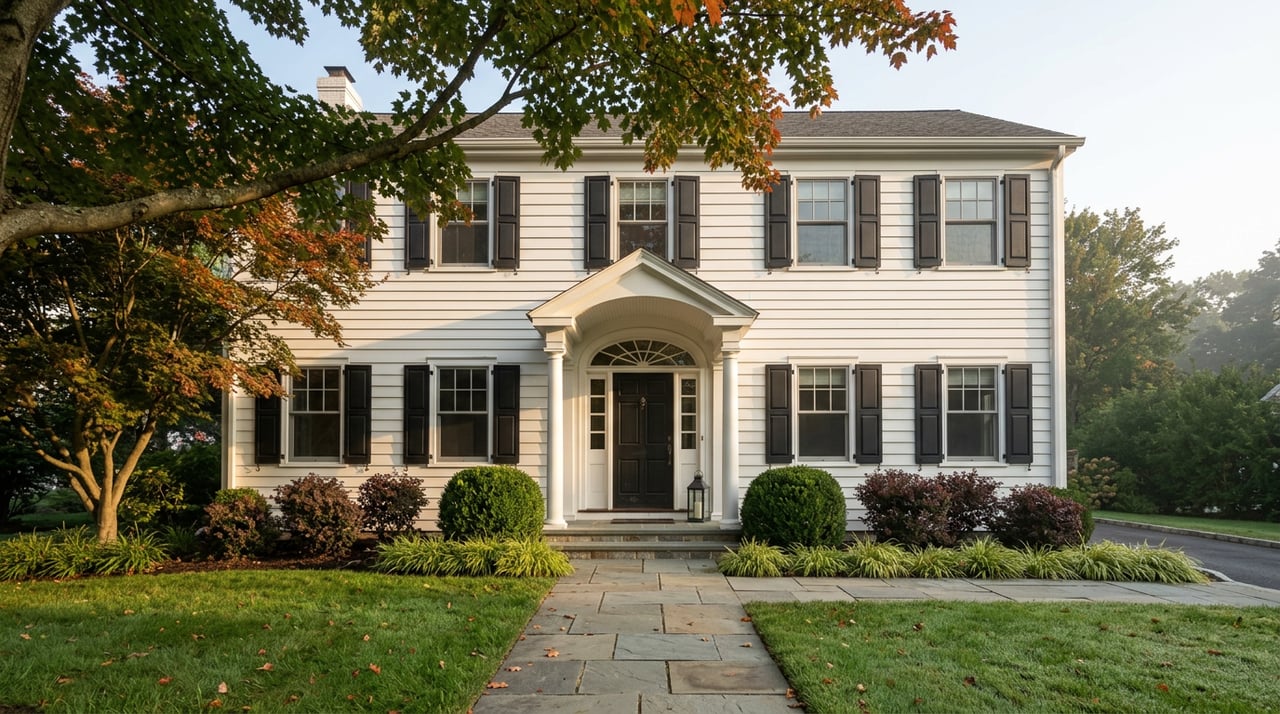
Buyers who shop South Park almost always find it by comparing it to Oregon. Local agents describe South Park as the place you land when Oregon's prices push you out but you still want walkability, turn-of-the-century architecture, and proximity to downtown. What most of those buyers don't clock until they're already under contract is that South Park's homes sit almost entirely inside HD-2, the strictest of Dayton's three historic zoning categories. Nearly every exterior change, from a new front door to a replacement window, has to clear a Certificate of Appropriateness before a contractor can touch it. That process is not a footnote. It's the mechanism protecting the very price gap that made the house attractive in the first place.
Two Historic Districts, One Persistent Gap
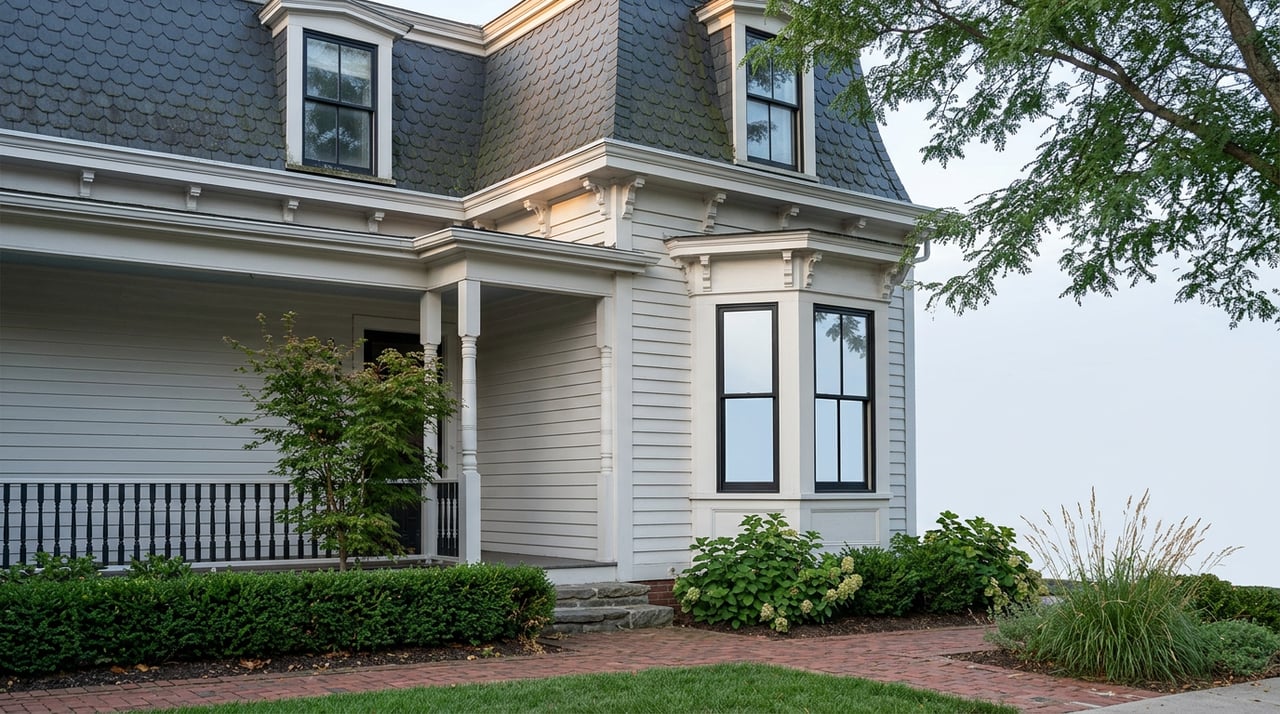
South Park and Oregon share a lot on paper. Both are federally recognized historic districts inside Dayton, both are full of homes built between the 1870s and 1920s, and both fall under the oversight of the same city Landmark Commission. But the price ranges don't overlap much. Renovated and well-kept homes in South Park typically sell in the low $200,000s to the mid $400,000s, with a smaller number of turnkey properties dipping into the $100,000s. Oregon's homes start around $200,000 and typically top out in the mid-$400,000s, though select properties reach into the $600,000s, driven largely by proximity to Fifth Street's restaurant and nightlife corridor.
| South Park | Oregon District | |
|---|---|---|
| Housing stock | High Victorian, Queen Anne, American Foursquare, bungalow | Similar era, denser commercial frontage |
| Typical price range | Low $200,000s to mid $400,000s | $200,000s to $600,000s |
| Defining commercial strip | Wayne Avenue and Brown Street | Fifth Street |
| Character | Quieter, more residential, active neighborhood council | Dense nightlife, higher foot traffic |
| Zoning oversight | Predominantly HD-2 (residential) | Same citywide HD-1/HD-2/HD-3 framework applies |
A Keller Williams Advisors Realty agent who works both markets has put it plainly to relocating clients: if you can't afford Oregon but still want the walkability and the century-old bones, South Park is where you land. That's the surface explanation. The zoning code is the part nobody mentions until the inspection period.
What HD-2 Actually Requires Before You Touch a Historic Board
Dayton currently maintains 13 locally designated historic districts and more than 70 individually listed local landmarks, all under the oversight of the city's Landmark Commission. Within those districts, the city assigns one of three designation categories. HD-3 only triggers review if you're planning to demolish the structure. HD-1 covers most commercial corridors and gives business owners room to repaint or make minor replacements without a Certificate of Appropriateness, only requiring one for major structural changes. HD-2 is the strictest category, and it's the one that governs nearly all residential parcels in South Park.
Under HD-2, a Certificate of Appropriateness is required before work begins on siding, windows, fences, landscaping changes, porches, additions, or new construction. The process splits into two tracks. Minor work, like paint colors, gutters, or straightforward fence repairs, can often be approved the same day by the city's Historic Preservation Officer, currently Holly Hornbeak, without a hearing. Major work follows a slower path:
- The homeowner submits a Major Certificate of Appropriateness application.
- The application is scheduled for a Landmark Commission hearing within 30 days of submission.
- Hearings are held on the second and fourth Thursday of each month at 4:30 p.m.
- The Commission can approve, deny, or approve with modifications, and must issue its decision in writing within 7 days of the hearing.
- Once approved, the certificate is forwarded to the city's Zoning Plan Examiner so a building permit can move forward.
- A Certificate of Appropriateness is valid for one year and can typically be renewed with a phone call if the work isn't finished in time.
The Morton Avenue siding case that came before the Commission in June followed exactly this path. It's a routine filing, not an exception, which tells you something important: this process is active and current, not a rule that exists on paper but goes unenforced.
A permit delay you planned for is a scheduling detail. A permit delay you didn't plan for is a line item in your renovation budget.
The Trade You're Actually Making
Here's the number that reframes all of this. According to an analysis from Preservation Dayton, built on a city-commissioned Landmark Preservation Task Force report and later extended by Code for Dayton through 2022, the total valuation of Dayton's historic districts increased 122.3 percent between 1996 and 2022. Non-historic districts over that same stretch actually lost ground, down 0.7 percent.
That's not a coincidence sitting next to the Certificate of Appropriateness requirement. It's the direct result of it. The same review process that makes a homeowner wait for a Thursday hearing before installing new siding is the process that has kept slumlord-era "remuddling," in South Park's own words, from hollowing out the architecture that gives the neighborhood its value in the first place. South Park was declared a historic district in 1981, the largest in Ohio at the time, specifically because deterioration through the 1960s and 70s had already stripped many of its Victorian homes of stained glass windows, original doors, porches, and chimney pots. The oversight exists because the neighborhood already knows what happens without it.
For a buyer evaluating a fixer in South Park against a comparable non-historic property elsewhere in Dayton, the math isn't just purchase price versus renovation cost. It's purchase price plus a slower renovation timeline versus a long-run valuation trend that has meaningfully outperformed unregulated Dayton housing stock for close to three decades.
Why the Business Corridor Plays by Different Rules
If you're eyeing South Park as an investor rather than an owner-occupant, the HD-1 versus HD-2 split matters even more. The commercial parcels lining Wayne Avenue, home to Branch & Bone Artisan Ales, Wayne and Clover, South Park Pizza Tavern, and The Silver Slipper, fall under the more flexible HD-1 designation. Business owners there can repaint or swap out minor fixtures without a Certificate of Appropriateness, only needing Landmark Commission approval for structural changes like a new patio. That's a meaningfully different renovation timeline than the HD-2 residential blocks a few doors away, and it's worth confirming which designation applies to a specific parcel before you budget a commercial renovation on the assumption that residential rules apply.
What This Means If You're Bidding This Fall
If you're under contract on a South Park fixer-upper, the zoning designation on that specific parcel should be one of the first things you confirm, not something you discover mid-renovation. Minor repairs like paint and gutters can move quickly through the Preservation Officer's office. Anything touching siding, windows, a porch, or an addition needs to go in front of the Commission, and the earliest you can realistically expect a decision is roughly five weeks out from filing, once you account for the 30-day scheduling window and the 7-day written decision period. If your renovation timeline assumes contractors can start the week you close, build in that buffer now rather than after your GC is already scheduled.
A Few Questions Worth Asking Before You Close
Does every house in South Park require Landmark Commission approval? Most residential parcels fall under HD-2 and do, but not every structure in the district is governed by Landmark rules. Confirm the specific designation on your parcel with the city before assuming either way.
What's the real difference between a Major and Minor Certificate of Appropriateness? Minor work, paint, gutters, and some fence repairs, can be approved administratively, often the same day. Major work, including siding, windows, additions, and new construction, requires a hearing before the full Commission.
How long does an approved Certificate of Appropriateness last? One year. If your renovation runs long, a call to the Preservation Officer's office can typically extend it.
South Park's price gap with Oregon District isn't a market inefficiency waiting to close. It's the visible edge of a preservation system that has protected historic Dayton housing stock for over four decades, and understanding how that system works before you bid is the difference between a smooth renovation and a budget surprise in month three.
If you're weighing a historic fixer against new construction or a non-designated Dayton neighborhood, Juliet Wenzler and the Wenzler Concierge Group can walk the numbers, the zoning designation, and the realistic renovation timeline with you before you write an offer. Schedule your complimentary concierge consultation and bring your questions about the house, not just the price.