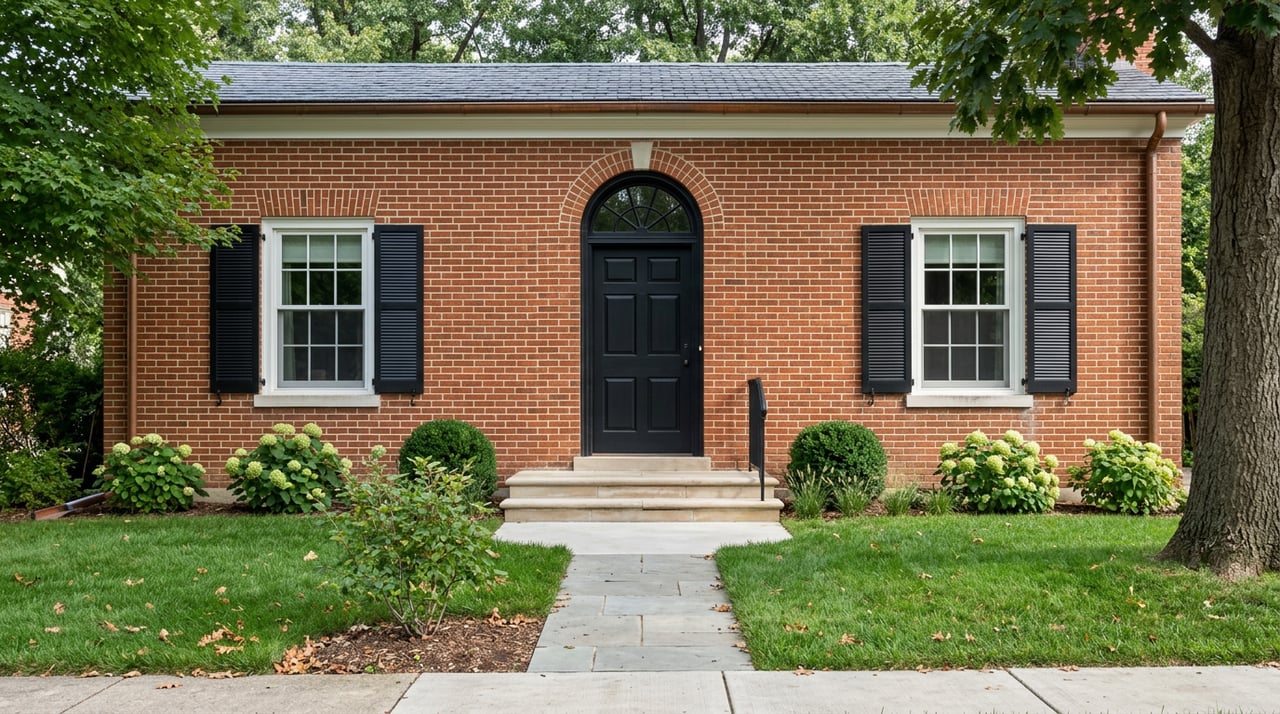
If you love the charm of Oakwood’s tree-lined streets and character homes, you are not alone. Many buyers are drawn to the architectural details and solid construction you find here, then wonder how to update thoughtfully without losing what makes these homes special. In this guide, you will learn the classic Oakwood styles, what to expect behind the walls, and how to plan smart updates that fit your budget and timeline. Let’s dive in.
Oakwood’s signature home styles
Oakwood is known for its early to mid 20th-century homes, with a strong mix of Tudor, Colonial Revival, Craftsman, Prairie and Foursquare designs. You can explore these styles through local resources from the Oakwood Historical Society. Many neighborhood homes also date to the 1930s, which shapes what you should expect from layouts and building systems, as noted by local real estate guides for Oakwood’s area within Kettering that report a median year built in the 1930s (Homes.com neighborhood profile).
Tudor Revival
Tudors often feature steep gables, half-timbering, tall multi-pane windows, and prominent chimneys. Interiors may include beamed ceilings, arched openings, and rich wood trim. Floor plans can be asymmetrical with the kitchen at the rear and formal rooms up front. Period-sensitive updates, like new lighting and classic tile, keep the character intact. Larger changes, such as opening walls or adding an island, can be done but usually require careful planning and structural work, as seen in examples from This Old House’s Tudor kitchen remodel guidance.
Colonial Revival and Georgian
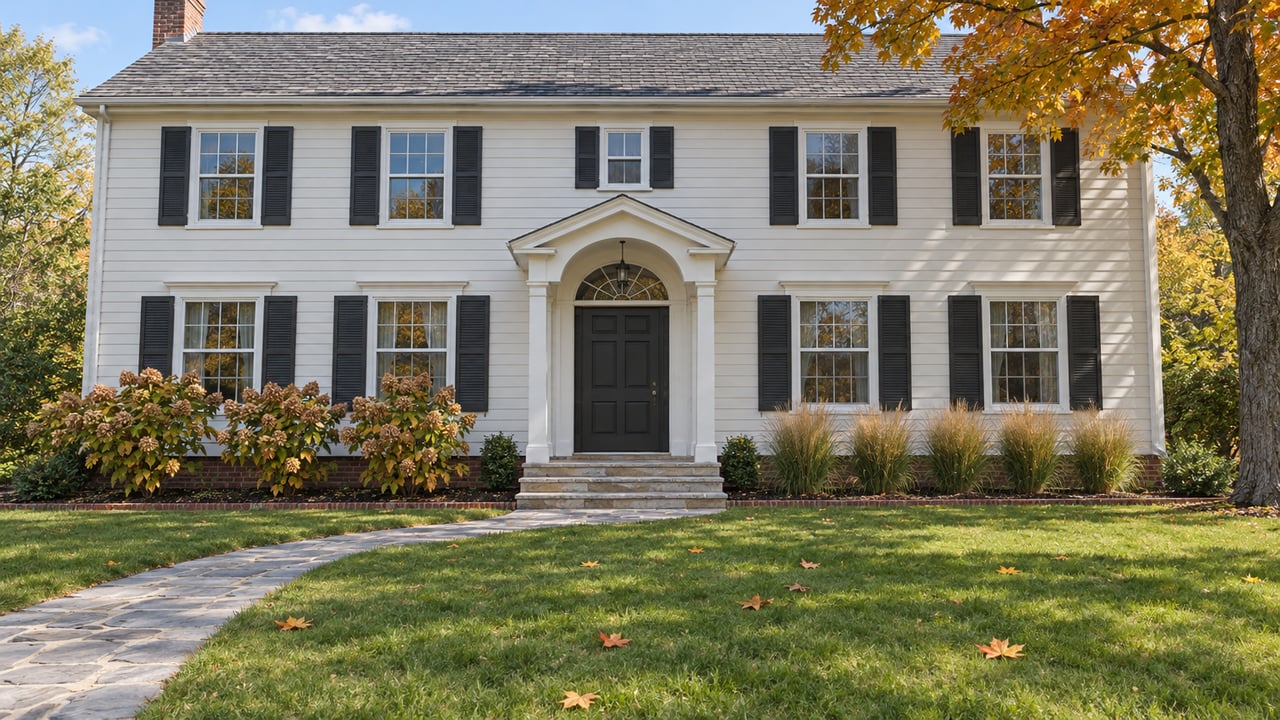
Colonial Revival homes typically have a symmetrical façade, a center hall, and well-defined formal rooms. The predictable circulation often makes kitchen expansions or rear additions more straightforward. If you renovate, try to keep original moldings, mantels, and stair details. Those features help maintain value and the sense of place that defines Oakwood.
Craftsman and Bungalow
Craftsman-era homes usually offer low-pitched roofs, exposed rafter tails, generous porches, and beautiful built-ins. Floor plans are compact with living, dining, and kitchen in close sequence. You can often achieve a big impact with lighter updates like refinishing floors, restoring woodwork, and improving the kitchen work triangle without major structural changes. Mechanical upgrades can be integrated if planned to protect original details.
American Foursquare, Cape Cod and more
Foursquares have a boxy, efficient layout with four rooms per floor and a large attic, which is helpful if you want to add a bathroom or rework the kitchen. Cape Cods are often one and a half stories with dormers, and may benefit from a small addition or strategic rearrangement to create better flow. These forms are flexible but can hide older systems in tight cavities, so inspections matter.
What to expect in older Oakwood homes
Start every renovation plan with safety and the building envelope. Inspections on early 1900s to 1940s homes often flag age-related systems that deserve priority attention. A helpful overview of common findings appears in this guide to concerns in older homes.
Electrical
- Look for knob-and-tube wiring, outdated panels, and DIY splices. These can affect safety, insurance, and financing.
- Many owners choose partial or whole-house rewiring. Costs vary widely by house size and access, often landing in the mid to high five figures for full rewires, according to consumer cost guidance on rewiring a house.
Plumbing
- Galvanized supply lines corrode internally and reduce pressure, while cast-iron drains can fail over time. Lead solder or service lines may still exist in some older homes.
- A sewer scope can reveal issues with the lateral line. Targeted repiping or full replacement is common if metal plumbing is original.
HVAC and ventilation
- Older homes may have aging furnaces or boilers and limited or no central air. Ductwork is often undersized.
- Upgrading to modern high-efficiency systems or heat pumps can improve comfort and operating costs.
Roof, flashing and drainage
- Check shingle age, flashing at chimneys and dormers, and gutter performance.
- Roof replacement is a frequent near-term expense in this era of homes. Use national cost benchmarks from the 2024 Cost vs. Value Report as a starting point.
Windows and insulation
- Many Oakwood homes have original single-pane windows and limited insulation. Air leakage drives discomfort and higher bills.
- Targeted air sealing and attic insulation often deliver the best early returns. For windows, the Department of Energy highlights low-E storm windows and air sealing as effective retrofit strategies when you want to retain original sash.
Lead paint and asbestos
- In pre-1978 homes, assume lead-based paint may be present. If your renovation will disturb painted surfaces, follow the EPA’s Lead Renovation, Repair and Painting (RRP) Rule and hire certified professionals.
- Asbestos may be found in some mid-century materials, such as floor tiles or older pipe wrap. Test and budget for abatement before demolition if needed.
Foundations and structure
- Watch for doors that stick, diagonal cracks wider than about one quarter inch, and chronic basement moisture. These can signal movement or water management issues.
- Consult a structural engineer before major interior work if you see red flags.
Light refresh or larger remodel
Every Oakwood home is different, but you can use these tiers to plan scope, budget, and timeline. National averages from the 2024 Cost vs. Value Report are a helpful starting point. Local contractor bids will vary.
Light updates
- Examples: interior paint, hardwood refinishing, lighting and hardware swaps, countertop replacement, cabinet refacing, modest bath refresh, reglazing or adding storms to original windows, and new entry doors.
- When to choose: systems are sound and you want a fresh look without moving walls.
- Budget feel: typically low to mid thousands up to the low five figures, with fast timelines and strong buyer appeal.
Mid-scope projects
- Examples: kitchen remodel that keeps the footprint, full bathroom remodel, energy-efficient window replacement, partial repipe, or electrical panel upgrade.
- Typical national benchmarks: Minor Kitchen Remodel (midrange) around 27,500 dollars, Major Kitchen Remodel (midrange) around 80,000 dollars, and a midrange bath around 25,000 dollars as reported in the 2024 Cost vs. Value data.
Major projects
- Examples: removing load-bearing walls, full kitchen reconfiguration or addition, whole-house rewiring, whole-house repiping, significant foundation work, or adding a primary suite.
- Budget feel: often six figures for major kitchen work or additions. Whole-house rewires and repipes frequently land in the mid to high five figures or more, depending on size and access.
Plan for contingency
- For older or historic homes, build in a 10 to 20 percent contingency to cover surprises and soft costs like permits and inspections. Complex structural work or hazardous materials can warrant a higher buffer.
Permits and timeline in Oakwood
Oakwood requires permits for most work that enlarges, alters, repairs, moves, demolishes, or changes a building’s occupancy. The City of Oakwood reviews zoning, and a contracted building department handles structural, electrical, and plumbing inspections. Start with the City’s permits page to confirm what your project needs and to plan for review timelines. Give yourself room in the schedule for design, selections, lead times, and inspections.
Design ideas that respect character
- Keep the showpieces: original trim, stair detail, mantels, and built-ins are Oakwood hallmarks. Clean, repair, and refinish rather than remove.
- Open with intention: consider cased openings or widened doorways instead of full open plans in Tudors or Colonials, so proportions stay elegant.
- Blend new and old: use classic profiles for new millwork and tile, then layer in modern fixtures and efficient appliances.
- Improve comfort first: invest in air sealing and attic insulation early, then target window strategies that preserve historic sash when possible.
Smart next steps for buyers and new owners
- Explore local history: use the Oakwood Historical Society’s architecture guide to identify features worth preserving. For context on Oakwood’s legacy, you can also learn about its National Register landmark, Hawthorn Hill.
- Get a thorough inspection: ask your inspector to flag older-home concerns like electrical, plumbing, HVAC, roof, drainage, and structure. Specialists can add sewer scopes or panel evaluations as needed.
- Confirm permits early: before you demo, verify permit requirements with the City of Oakwood. Plan for both zoning review and building inspections.
- Sequence the work: fix safety and envelope issues first, then address mechanicals, and save finishes for last. If you will disturb pre-1978 paint, follow EPA RRP requirements.
- Budget with a buffer: use national cost references to set expectations, get multiple bids, and carry a contingency for concealed conditions.
When you are ready to align updates with your resale goals, lean on local expertise. Our team brings design-forward guidance, contractor coordination, staging, and market planning so you can update with confidence and maximize value.
If you would like tailored advice for a specific Oakwood home, reach out to Juliet Wenzler Real Estate & Design Group. Let’s map the right scope, sequence vendors, and position your property to shine.
FAQs
What are the most common home styles in Oakwood, Ohio?
- You will often see Tudor Revival, Colonial Revival, Craftsman and Bungalow, Prairie, and American Foursquare designs, as outlined by the Oakwood Historical Society.
How should I budget a kitchen remodel in an older Oakwood home?
- Use national benchmarks as a starting point, with Minor Kitchen Remodels around 27,500 dollars and Major Kitchen Remodels around 80,000 dollars per the 2024 Cost vs. Value Report, then adjust for local bids, design choices, and contingencies.
Do I need a permit to remodel in Oakwood?
- Yes, most work that alters, repairs, enlarges, or changes a building will need permits, with zoning reviewed by Oakwood and building inspections managed through the city’s process; start with the City’s permits page.
What should I inspect first in a 1920s–1930s house?
- Prioritize safety and the envelope: electrical panels and wiring, plumbing lines and the sewer lateral, HVAC age and ductwork, roof and flashing, drainage, windows and insulation, and any structural movement, using this older-home checklist as a guide.
How can I boost efficiency without replacing original windows?
- Start with air sealing and attic insulation, then consider interior or exterior low-E storm windows, which the Department of Energy highlights as effective in its storm window guidance.
Is rewiring common and what does it cost?
- Many older homes need partial or full rewiring to meet modern safety and load needs; costs vary by size and access and often reach the mid to high five figures for whole-house scope, per this consumer rewiring overview.