If you have ever wondered whether downtown living in Dayton is truly practical, not just stylish, you are asking the right question. A condo or loft can offer convenience, character, and a very different daily rhythm from suburban life, but the fit depends on how you want to live. In this guide, I’ll walk you through what condo and loft living in Downtown Dayton actually looks like, what to pay attention to before you buy, and how to decide whether this lifestyle matches your goals. Let’s dive in.
Downtown Dayton housing options
Downtown Dayton offers more variety than many buyers expect. According to the Downtown Dayton Partnership, the housing mix includes new construction, renovated warehouses, traditional spaces, and urban lofts, with both rental and owner-occupied options in the core.
That range matters because “downtown living” is not one single product. You may find a loft with historic details in a converted commercial building, or a condo that feels more streamlined and contemporary. Downtown housing has also been more than 90% occupied in recent years, which points to steady demand and a market where available options may not always be abundant.
What lofts often look like
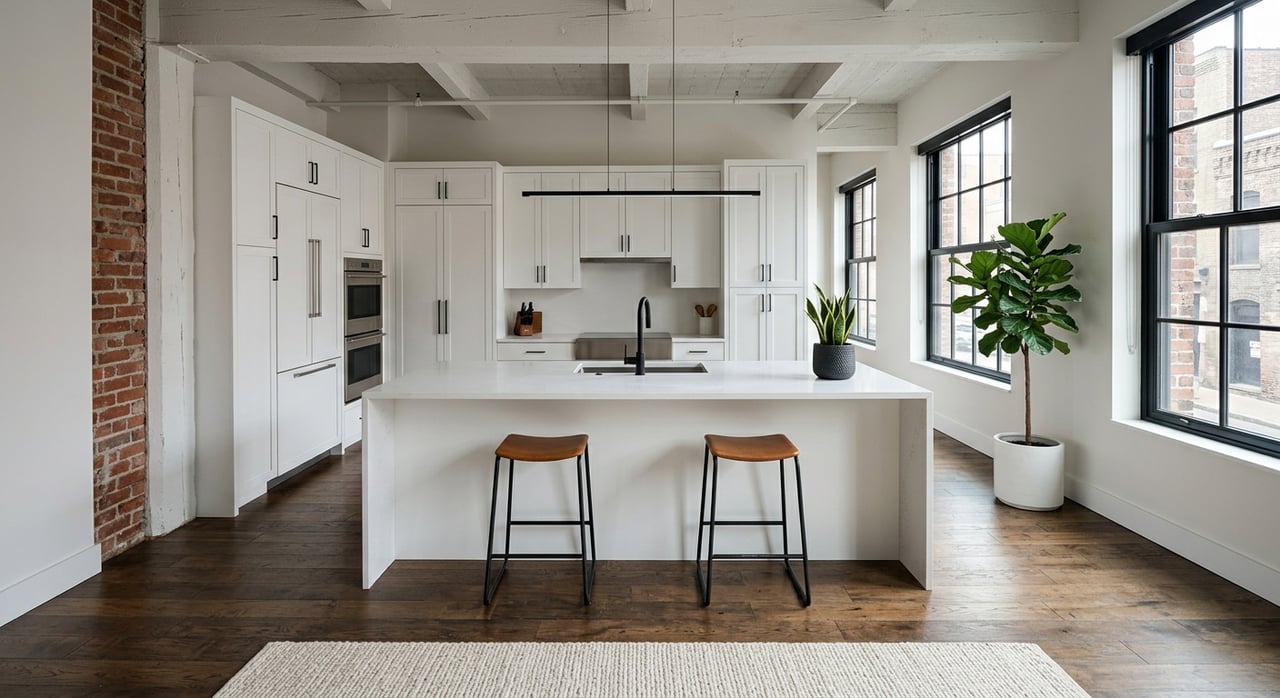
Many Downtown Dayton lofts come from adaptive-reuse projects in older industrial or commercial buildings. Common features in these spaces include open floor plans, large windows, shared lobbies, elevators, and building-specific parking arrangements.
Representative examples in the downtown market include historic buildings like the Elks Building, the Graphic Arts Building, and the Huffman Block Building. These properties often appeal to buyers who want architectural character, original materials, and a home that feels different from standard suburban construction.
What condos can offer
Condos in Downtown Dayton can span both converted buildings and newer projects. That means your ownership experience may vary quite a bit depending on the building, the age of the property, the association structure, and the amenities included.
If you are comparing options, it helps to look beyond the unit finishes. The building itself, how it is maintained, and what is included in your monthly dues can shape your day-to-day experience just as much as the kitchen or view.
Downtown Dayton lifestyle
One of the strongest reasons buyers consider Downtown Dayton is the lifestyle. The area is described in the Greater Downtown Plan as a very compact urban core with the framework to be an attractive, walkable place, and the Downtown Dayton Partnership positions residents close to restaurants, breweries, theaters, baseball, festivals, kayaking, and trails.
If you want a home that puts activity within easy reach, downtown can deliver that in a way suburban housing usually does not. The tradeoff is simple: you are often choosing access and convenience over extra square footage, yard space, or multiple-car storage.
Walkability and biking access
Downtown and the inner-ring historic neighborhoods have Dayton’s most comprehensive sidewalk network, according to the City of Dayton’s State of Walking and Biking report. The city also notes that on-street bike paths are primarily concentrated in or near downtown.
For buyers who like to move around without driving everywhere, that is a meaningful advantage. Dayton’s Active Transportation Plan says the area connects into a 350-plus-mile paved trail network, giving you access to parks, landmarks, and attractions across the region.
Recreation and events nearby
Downtown living is not only about where you sleep. It also shapes how you spend your free time.
RiverScape River Run opens the downtown river to a seven-mile paddle route, and RiverScape MetroPark’s Bike Hub sits at the center of the region’s paved trail network. The Bike Hub offers secure indoor bike parking, lockers, showers, and nearby RTA bus stops, with public seasonal access priced at $40 per person.
The event calendar also adds to the downtown experience. First Friday brings a free monthly art hop from 5 to 10 p.m., and downtown hosts more than 300 performances each year. Programs like Summer in the City, CURIO at Courthouse Square, Art in the City, and the Downtown Dayton DORA all contribute to an active live-work-play environment.
Parking and transportation realities
Parking is one of the biggest practical differences between downtown and suburban living. The Downtown Dayton Partnership reports more than 13,000 parking spaces downtown, including over 10,000 in garages, more than 2,000 in surface lots, and more than 1,300 metered spaces.
That sounds plentiful, but condo buyers should still treat parking as a unit-specific question. You should never assume your building includes a dedicated spot, guest parking, or garage access unless it is clearly confirmed.
What to confirm before you buy
When I help buyers think through condo or loft ownership, I always encourage them to look at parking as part of the total living experience. Ask specific questions, including:
- Is parking assigned, leased, shared, or street-based?
- Is parking included in the HOA dues or billed separately?
- Is there guest parking for visitors?
- How far is the parking area from the building entrance?
- Does event traffic affect access or cost nearby?
The Downtown Dayton Partnership notes that garages and lots closest to events often cost more, and special event pricing can change near major venues. If you plan to entertain often or rely on easy car access, this is worth reviewing carefully.
Street parking basics
The City of Dayton’s Passport Parking app allows drivers to pay for and extend street-parking sessions by phone. The city also says meter enforcement runs Monday through Friday from 8 a.m. to 6 p.m., while overnight and weekend street parking is free.
That can be helpful for guests or for owners who use a mix of parking options. Still, street parking convenience can vary from one block and building to the next, so it is best to verify the exact setup tied to the property you are considering.
HOA details matter more than you think
If you are buying a condo or condo-style loft in Downtown Dayton, the homeowners association is not a side issue. In many cases, it is one of the most important parts of your decision.
Ohio condominium law requires association boards to adopt an annual budget. That budget must include reserves adequate for repair and replacement of major capital items unless the governing documents limit assessment increases or owners waive the reserve requirement in writing each year.
Why reserve funding matters
Reserve funding helps a building prepare for big-ticket repairs and replacements over time. In an older conversion building, this can be especially important because structural, mechanical, and shared building systems may require more planning and long-term maintenance.
A beautiful loft with exposed brick and tall windows can absolutely be a great purchase. But the visual charm should never distract you from reviewing the financial health and maintenance planning behind the building.
Records and disclosures to review
Ohio law also gives unit owners access to certain association records, including books, records, minutes, and owner-interest records, under reasonable standards set by the governing documents. Before a condo sale, the developer or agent must provide a condominium development disclosure statement, and the declaration, bylaws, and drawings must be recorded before a unit interest is conveyed.
For conversion condominiums, the disclosure statement must also address the age, condition, and remaining useful life of structural, mechanical, and supporting systems, along with projected repair costs. That is especially relevant in downtown buildings that began life as offices, warehouses, or other commercial spaces.
Questions worth asking about the HOA
Before you commit to a downtown condo or loft, make sure you review more than the listing photos. A few smart questions can help you avoid surprises:
- What are the monthly HOA dues?
- What do those dues cover?
- Does the association have healthy reserve funding?
- Have there been recent special assessments?
- Are there restrictions that affect how you plan to use the property?
- What records and documents are available for review?
This is one area where practical due diligence matters as much as design appeal. As someone who values both character and construction reality, I always believe the best purchase decisions balance the two.
Who downtown condo living fits best
Downtown Dayton condo and loft living tends to work best for buyers who want low-maintenance ownership, a smaller footprint, and easy access to dining, arts, recreation, and events. It can be a strong fit if you value convenience, walkability, bikeability, and an active social calendar.
It may be less ideal if you need a large yard, extensive storage, or space for several vehicles. That does not make one option better than another. It simply means downtown condo living is a distinct lifestyle choice, not just a smaller version of suburban housing.
A simple way to decide
If you are trying to picture yourself downtown, think about your actual routine. Ask yourself:
- Do you want to be close to events, trails, and entertainment?
- Would you enjoy a compact, more walkable environment?
- Are you comfortable with shared-building ownership and HOA structure?
- Is low exterior maintenance more important than having a yard?
- Do you want historic character, or do you prefer a newer feel?
Your answers will usually tell you a lot. The right property is not only about price or style. It is about how well the home supports the way you want to live.
Alternatives near downtown
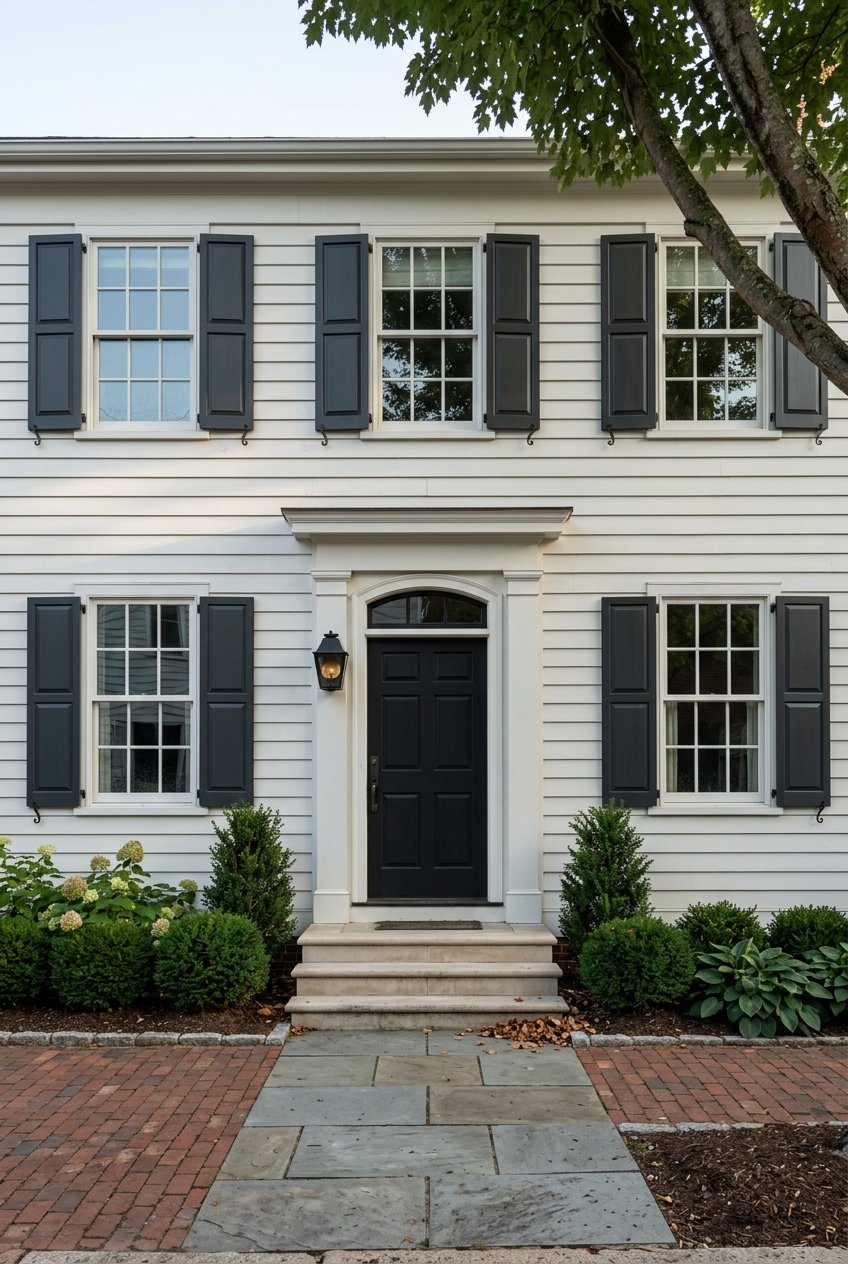
If you like being close to Downtown Dayton but are not sure condo ownership is the right fit, there are other options worth considering. The Downtown Dayton Partnership points to surrounding historic neighborhoods at the city’s edge, including areas with revival, Craftsman, and Victorian homes.
For some buyers, that can be the sweet spot. You may be able to stay connected to downtown amenities while choosing a traditional house instead of a condo or loft. In many cases, the decision comes down to lifestyle tradeoffs more than price per square foot alone.
If you are weighing those options, I can help you look beyond surface-level comparisons. The layout, ownership structure, parking setup, maintenance responsibilities, and condition of the property all matter when you are choosing between downtown living and nearby residential alternatives.
If you are considering a condo or loft in Downtown Dayton and want practical guidance on building type, ownership structure, or the tradeoffs between character and convenience, I’d love to help you think it through. Connect with Juliet Wenzler Real Estate & Design Group for a complimentary concierge consultation.
FAQs
What is condo and loft living like in Downtown Dayton?
- Downtown Dayton condo and loft living typically offers a compact, walkable lifestyle with close access to restaurants, arts, recreation, trails, and events, with housing options that include both converted historic buildings and newer residential projects.
What types of lofts are common in Downtown Dayton?
- Many Downtown Dayton lofts are adaptive-reuse homes in older commercial or industrial buildings, often featuring open layouts, large windows, shared entrances, elevators, and building-specific parking arrangements.
What should buyers know about parking for Downtown Dayton condos?
- Parking varies by building and unit, so you should confirm whether spaces are assigned, shared, leased, or street-based, whether guest parking is available, and whether parking costs are included in HOA dues or charged separately.
Why do HOA documents matter for Downtown Dayton condo buyers?
- HOA documents matter because Ohio condominium law makes the association budget, reserve funding, records, and disclosures a key part of ownership, especially in older conversion buildings where major systems and long-term maintenance planning deserve close review.
Who is a good fit for Downtown Dayton condo or loft living?
- This lifestyle often fits buyers who want low-maintenance ownership, a smaller footprint, and easy access to downtown amenities, and it may be less suitable for buyers who need a large yard or multiple-car storage.
Are there alternatives to condos near Downtown Dayton?
- Yes, buyers who want to stay close to downtown but prefer a house can also explore nearby historic neighborhoods on the city’s edge, where the housing stock includes revival, Craftsman, and Victorian homes.